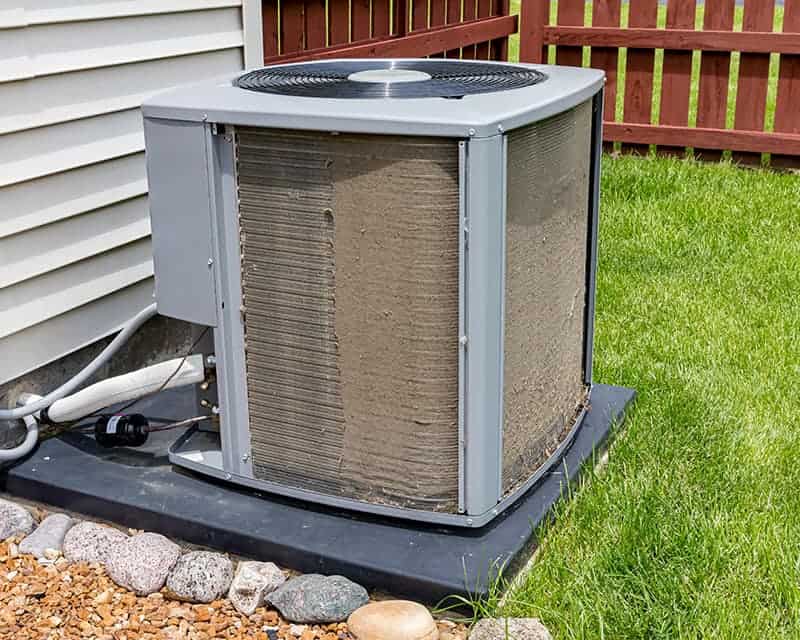
AC compressor problems happen for many reasons. These include refrigerant leaks, electrical issues, overheating, lack of lubrication, blocked suction lines, dirt and debris, and old age.
When refrigerant leaks or is too low, it makes the compressor work too hard. Electrical problems, like voltage changes and short circuits, can cause the motor to overheat. Too much heat, not enough lubrication, and blocked suction lines can also make the compressor fail early.
Dirt and debris can harm the inside parts, and age can shorten the compressor’s life. Knowing these common reasons can help you prevent expensive repairs and keep your AC system working well. Learn how to spot and fix these problems to keep your system running smoothly.
Key Takeaways
- Low refrigerant levels, refrigerant leaks, and moisture contamination can cause AC compressor failure and cooling loss.
- Electrical issues like voltage changes, unbalanced currents, and short-circuits can lead to motor winding failure and compressor breakdown.
- Overheating due to lack of maintenance, dirty coils, and blocked airflow can cause compressor failure and system breakdown.
- Insufficient or improper lubrication can lead to premature wear and tear, and using the wrong lubricant can harm the compressor.
- Blocked suction lines due to debris accumulation, incorrect installation, or corrosion can cause compressor failure and system malfunction.
Understanding the Role of the AC Compressor
The AC compressor is a key part of an air conditioning system. It compresses the refrigerant and pumps it through the system to help exchange heat. This helps the AC cool or heat a space efficiently.
First, the compressor squeezes the refrigerant, which then moves through the condenser coils and releases heat into the air outside. Next, the refrigerant goes through the expansion valve, where it loses pressure and cools down. This allows it to absorb heat from the indoor space.
The compressor uses electrical parts like motors and capacitors to work well. It also needs proper lubrication to last long and perform well. However, dirt in the refrigerant or lubricant can damage the compressor and cause it to fail early.
Knowing how the AC compressor works helps keep the air conditioning system running smoothly. By taking care of it, homeowners can enjoy a comfortable and cool indoor space.
7 Common Causes of AC Compressor Failure
When an air conditioning (AC) compressor fails, it can be attributed to a range of factors. In this section, we will examine the common causes of AC compressor failure, which can be categorized into five primary areas.
These include refrigerant issues, electrical problems, overheating, lubrication problems, and blocked suction lines, all of which can greatly impact the compressor’s performance and lifespan.
Learn more about how malfunctioning fan motors can impact your AC system.
1. Refrigerant Issues
Refrigerant issues are a common culprit behind AC compressor failure. Two primary culprits are low refrigerant levels and refrigerant leaks.
Low refrigerant levels can cause the compressor to work harder, leading to increased pressure and heat buildup. Refrigerant leaks can lead to a loss of cooling capacity and compressor damage.
Identifying and addressing these issues is essential to preventing compressor failure and ensuring peak system performance.
Low Refrigerant Levels
When an air conditioner doesn’t have enough refrigerant, the compressor can’t work well. This makes the AC use more energy and can cause the compressor to break sooner than it should.
If the refrigerant is low, the compressor has to work harder, gets too hot, and doesn’t last as long.
To avoid this, it’s important to regularly check and refill the refrigerant.
Refrigerant Leaks
Refrigerant leaks can cause the refrigerant to slowly escape. This makes the compressor work harder and can cause it to break down sooner.
When there is a Freon leak, moisture can get into the system and make the compressor fail even faster. Electrical problems can also happen, making the system even worse.
It is important to find and fix refrigerant leaks to prevent compressor failure and keep the air conditioning working well. Regular maintenance checks can help identify potential leaks before they lead to significant problems. By addressing these issues promptly, homeowners can avoid costly repairs and extend the lifespan of their cooling systems. Fixing air conditioning cooling issues not only improves efficiency but also enhances indoor comfort during hot months. Additionally, homeowners should familiarize themselves with air conditioning system troubleshooting tips to quickly identify problems before they escalate. This knowledge can empower them to perform minor repairs and maintenance tasks, further enhancing the system’s efficiency. Staying proactive with these tips not only preserves the functionality of the unit but also contributes to a more pleasant living environment. Moreover, fixing a leaking air conditioner can be a straightforward process for those who are willing to learn. Understanding the common signs of a leak, such as decreased cooling efficiency or increased energy bills, can prompt homeowners to take action sooner. By being proactive and addressing these issues, they can ensure their air conditioning systems operate at peak performance throughout the summer months. Additionally, homeowners can benefit from educating themselves on troubleshooting AC cooling issues, which can demystify the repair process and reduce reliance on professional services for minor problems. Regularly checking the air filter, clearing debris from outdoor units, and ensuring proper airflow can also help maintain an efficient system. By investing time in these efforts, homeowners can enjoy a consistently comfortable indoor environment throughout the hottest days of the year.
2. Electrical Problems
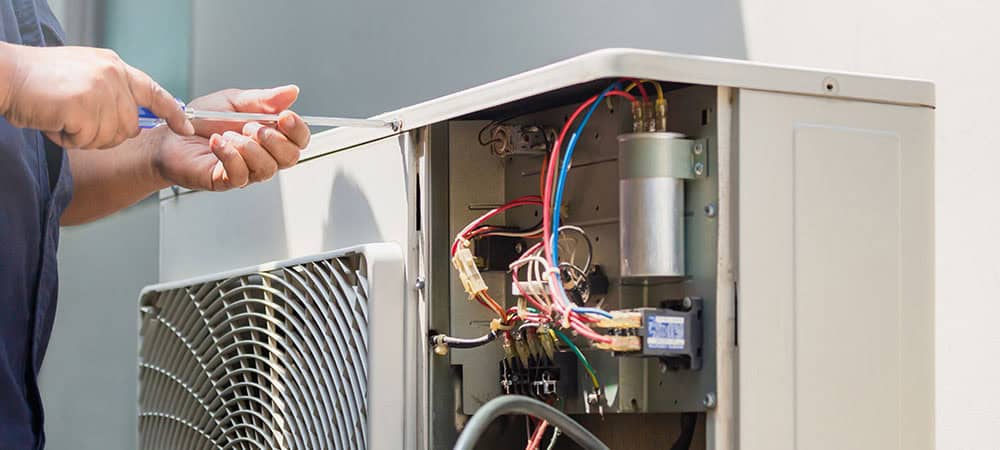
Electrical problems are a common culprit behind AC compressor failures, and they can manifest in various ways.
Two key areas that warrant attention are electrical failures and contactor issues, which can disrupt the compressor’s operation and ultimately lead to its downfall.
Understanding the root causes of these electrical problems is essential to preventing compressor failures and ensuring the overall reliability of air conditioning systems. By identifying the specific issues that can lead to electrical malfunctions, technicians can implement targeted maintenance strategies that minimize downtime. Additionally, understanding electrical problems in ac units not only prolongs the lifespan of the equipment but also enhances energy efficiency, contributing to lower operational costs. Regular training and updates on potential electrical issues can further empower service teams to address these challenges effectively.
Electrical Failures
Compressor motors can get too hot and stop working if there are big changes in voltage or if the electrical currents in the different phases are not balanced.
Electrical problems like short-circuits or loose connections can cause these issues. This can make the compressor fail, especially in systems like Lennox wiring.
| Electrical Problem | Effect on Compressor | How to Prevent It |
|---|---|---|
| Voltage Changes | The motor gets too hot and fails | Use voltage regulators |
| Unbalanced Currents | Motor winding fails | Balance the currents |
| Short-Circuits | The motor fails right away | Check the wiring often |
| Contactor Problems | Motor fails on and off | Replace the contactor regularly |
Contactor Issues
If you don’t take care of the contactor during regular checks, it can make the compressor stop working sometimes. This can cause the AC unit to break down or shut off completely.
Contactor problems are often behind electrical issues, making the compressor not work right. A bad contractor can stop the compressor from getting the power it needs, which can lead to expensive repairs or even a total system failure.
3. Overheating
Overheating is a common culprit behind AC compressor failure, and it can often be attributed to preventable causes.
A lack of regular maintenance, for instance, can lead to the accumulation of dirt and debris, hindering heat dissipation and causing the compressor to overheat.
Similarly, dirty coils can greatly impede airflow, causing the compressor to work harder and ultimately leading to overheating.
Lack of Maintenance
If you don’t do regular maintenance, like cleaning the condenser coils and changing air filters, dirt and debris can build up. This blocks airflow and causes overheating.
Skipping these maintenance tasks also messes up the lubrication cycle, which makes parts wear out faster and can lead to compressor failure.
Doing regular maintenance is important to avoid these issues and keep everything working well.
Dirty Coils
One of the main reasons why AC compressors fail is dirty condenser coils. Dirty coils make the compressor work harder, which raises the pressure and temperature.
If you don’t clean the coils, the airflow gets worse and the AC won’t cool properly.
To keep the compressor from overheating and failing, you should clean the filters and coils regularly.
4. Lubrication Problems
Lubrication problems are a common culprit behind AC compressor failure. This failure often results from inadequate or improper lubrication.
Two primary causes of lubrication-related compressor failure are the lack of lubrication and the use of the wrong lubricant. Both issues can lead to premature wear and tear on moving parts.
Understanding these specific issues is essential for preventing compressor failure and ensuring peak system performance.
Lack of Lubrication
Not enough lubrication on moving parts can make the compressor wear out quickly and break down. This happens when the oil is too thick or too thin for the compressor’s work conditions or when maintenance is skipped.
Key reasons for the lack of lubrication include:
- Not adding oil often enough
- Not checking compressor parts regularly
- Ignoring the maintenance schedule from the manufacturer
- Not changing the oil thickness for different seasons
- Skipping regular maintenance checks
Using Wrong Lubricant
Picking the wrong type or thickness of lubricant can harm the compressor and make it wear out faster.
If you use a 3M lubricant that isn’t meant for air conditioning compressors, it can break down sooner than it should.
It’s really important to do regular maintenance to keep things running smoothly.
5. Blocked Suction Lines
Blocked suction lines are a common cause of AC compressor failure. Understanding the underlying causes of this issue is important for effective maintenance and repair. The blockage can occur due to various reasons, including debris accumulation, incorrect installation, and refrigerant migration.
Identifying and addressing these causes is vital to preventing compressor failure and maintaining peak system performance.
Causes of Blocked Lines
Blocked suction lines are a common problem in refrigeration units and can cause the cooling compressor to overheat.
Some common reasons for blockages are:
- Buildup of debris or dirt in the suction lines
- Rust or corrosion in the lines or fittings
- Suction lines that are the wrong size or not installed correctly
- Suction lines that are kinked or bent
- Not enough maintenance or cleaning of the system
6. Contaminants
Contaminants are a common culprit behind AC compressor failure, and they can take many forms.
Dirt and debris can enter the system through various means, such as inadequate filtration or poor installation practices, and can cause damage to the compressor’s internal components.
Moisture can also contaminate the system, leading to corrosion and further exacerbating the problem.
Dirt and Debris
To keep your air conditioning system working well, you need to regularly check and clean it. Dirt and debris can build up and cause problems like compressor failure. This happens because the dirt blocks airflow, increases pressure, and makes the system overheat.
Here are some common things that cause dirt and debris:
- Air filters that are clogged
- Condenser coils that are dirty
- Ducts that have leaks
- Air conditioners that are not installed right
- Construction or renovation work nearby
Moisture
Moisture can cause AC compressors to fail. It can get into the system through refrigerant leaks, drainage problems, or high humidity.
When moisture mixes with refrigerant and oil, it creates acids that can damage parts inside the compressor. Regular maintenance and quick repairs can stop these moisture problems.
7. Age and Wear
As air conditioning compressors operate, they inevitably succumb to natural wear and tear, which can lead to premature failure.
The lifespan of an AC compressor is finite, and its components will eventually degrade over time, compromising its ability to function efficiently.
Understanding the effects of age and wear on compressor performance is essential in identifying potential failure points and implementing preventative maintenance strategies.
Natural Wear and Tear
Over time, the parts inside an air conditioning compressor wear out, which makes it work less well and eventually break down.
Things that cause this wear and tear include:
- Not taking care of the compressor properly, which makes it less reliable and durable
- Rust and corrosion on moving parts
- More friction and heat build up
- Not enough lubrication, causing parts to wear out faster
- Seals and gaskets slowly wearing out
Lifespan of an AC Compressor
An air conditioning compressor usually lasts between 10 and 15 years. How long it lasts depends on things like how well you take care of it, how often you use it, and how well it was installed.
Regular maintenance can help prevent the compressor from breaking down. Keeping the compressor in good shape is important for having a reliable AC system.