To fix an AC that’s not cooling
| Step | Operation |
|---|---|
| 1 | Start by changing dirty air filters to help the air move better. |
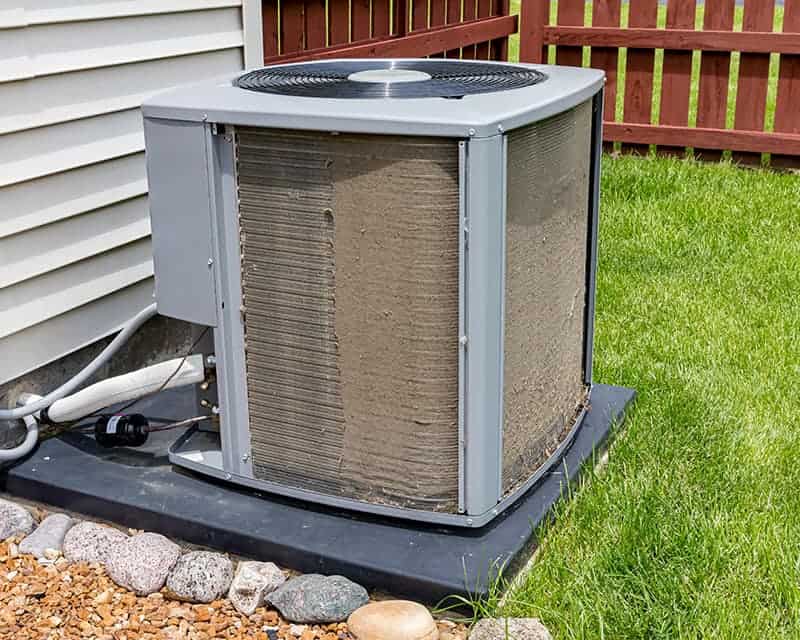
| 2 | Next, clean the coils outside to help the AC get rid of heat and not overheat. |
| 3 | Check your thermostat to make sure it’s set right and working properly. |
| 4 | Look at your vents and air ducts to make sure nothing is blocking the air. |
| 5 | Finally, listen for weird noises or look for any coolant leaks, as these might mean the compressor has problems and needs an expert. |
By fixing these common issues, you’ll likely solve most cooling problems. But some issues might need more looking into and expert help.
Key Takeaways
- Swap out dirty air filters to help your AC breathe better and work smarter.
- Give your outdoor AC unit a good scrub to help it cool your home faster.
- Make sure your thermostat is set right and working properly.
- Look for any coolant leaks and top up if needed to keep your AC running at its best.
- Check that nothing’s blocking your vents or air ducts so cool air can flow freely through your home.
Understanding AC Components
An air conditioning system has five main parts: the compressor, condenser, expansion valve, evaporator, and refrigerant lines.
- The compressor is like the heart of the AC unit. It squeezes the refrigerant to make it hot and under high pressure.
- This hot refrigerant then goes to the condenser, where it cools down and turns into a liquid.
- The expansion valve controls how much refrigerant flows into the evaporator coil.
- In the evaporator, the refrigerant soaks up heat from your home’s air.
- Then, it goes back to the compressor to start the cycle again.
For your AC to work well, all these parts need to work together smoothly.
Common problems include refrigerant leaks, which can make your home less cool, or a frozen evaporator coil, often caused by not enough air moving through.
Changing your air filter regularly stops clogs that can make your system work too hard.
Common AC Issues and Their Symptoms
Knowing about AC parts is good, but spotting common problems and their signs can help you figure out what’s wrong when your system isn’t cooling well.
A broken thermostat might make your HVAC system read room temperature wrong, causing uneven cooling. Dirty condenser coils can make your AC less efficient, forcing it to work harder without cooling your home properly. If you notice weak airflow, you might need to change the filter or clean the coils.
Low refrigerant can make your AC cool poorly, and it may need a refill. In bad cases, the compressor might fail, usually making loud noises or shutting down completely.
Watch out for strange sounds, uneven cooling, or surprise high energy bills, as these can warn you of AC troubles early. Regular upkeep, like changing filters and having professionals check your system, can stop many of these issues. Ignoring these warning signs can lead to more serious problems down the line, including reduced efficiency and costly repairs. Additionally, understanding the causes of AC freezing up can help you take preventive measures to keep your system running smoothly. Be proactive in addressing any irregularities to ensure your air conditioning unit operates at its best.
Checking and Replacing Air Filters
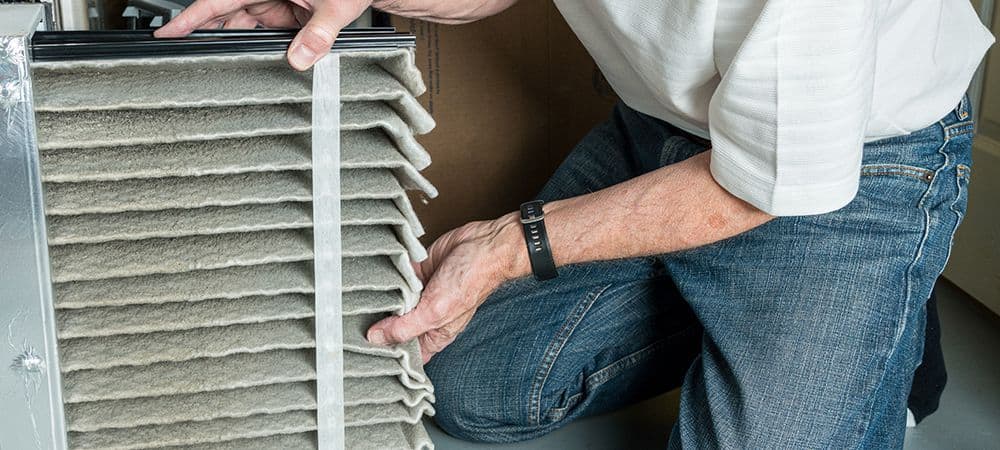
Air filters are important parts of your AC system. You can find different types like fibreglass, pleated, and electrostatic filters.
It’s time to change your filter when you see less air coming out, higher energy bills, or lots of dust.
To keep your AC working well, follow these steps to replace the filter:
- Turn off the AC
- Find where the filter goes
- Put in the new filter the right way
Types of air filters
When picking an air filter for your AC system, you’ll see different types. Each one works in its own way to clean the air.
Fibreglass filters are the simplest and only catch big bits. Pleated filters do a better job and can trap smaller things like dust and pollen. Electrostatic filters use static to grab tiny particles, making your indoor air cleaner. HEPA filters are the best at cleaning air, but they might slow down air flow in some AC systems.
To get the best energy savings and performance, choose a filter that lets enough air through while still cleaning it well. Think about what you need, like if you have allergies or pets that shed. Keep in mind that filters that clean better might need to be changed more often.
Check your air vents and ducts for dust buildup, and have your AC checked regularly. Picking the right filter and taking care of it will make your home’s air cleaner and help your AC work better.
Signs of a clogged filter
Spotting signs of a clogged filter is important for keeping your AC working well and avoiding cooling problems. Look for less air coming out of vents and uneven temperatures in your home. These show that there’s not enough air flowing through the system.
You might feel less comfortable and notice your AC isn’t cooling as well as it used to. The fan might run faster and use more energy as your AC tries to push air through the dirty filter. You might also see more dust on vents and furniture.
If you notice these things, it’s time to change the filter or get your AC checked. Changing filters often helps clean the air and makes sure your AC works its best without wasting energy.
Step-by-step replacement guide
To keep your AC working well, follow these steps to check and change your air filters.
First, find where your filter goes, usually near the indoor part of your AC. Turn off your AC before you start. Take out the old filter and look for dirt. If it’s dirty, put in a new filter that’s the same size and type. Check that it’s facing the right way by looking at the arrows.
While the filter is out, take a quick look at the ducts for any leaks or insulation problems. Put the new filter in securely and close everything up.
After you change it, watch how your AC works, including how well it cools and controls humidity. If it’s still not cooling right, there might be other issues like low coolant, which might need refilling, or electrical problems that might need fixing.
Changing your filter regularly helps stop bigger AC problems from happening.
Find out how faulty transformers might be affecting your air conditioner.
Inspecting and Cleaning Condenser Coils
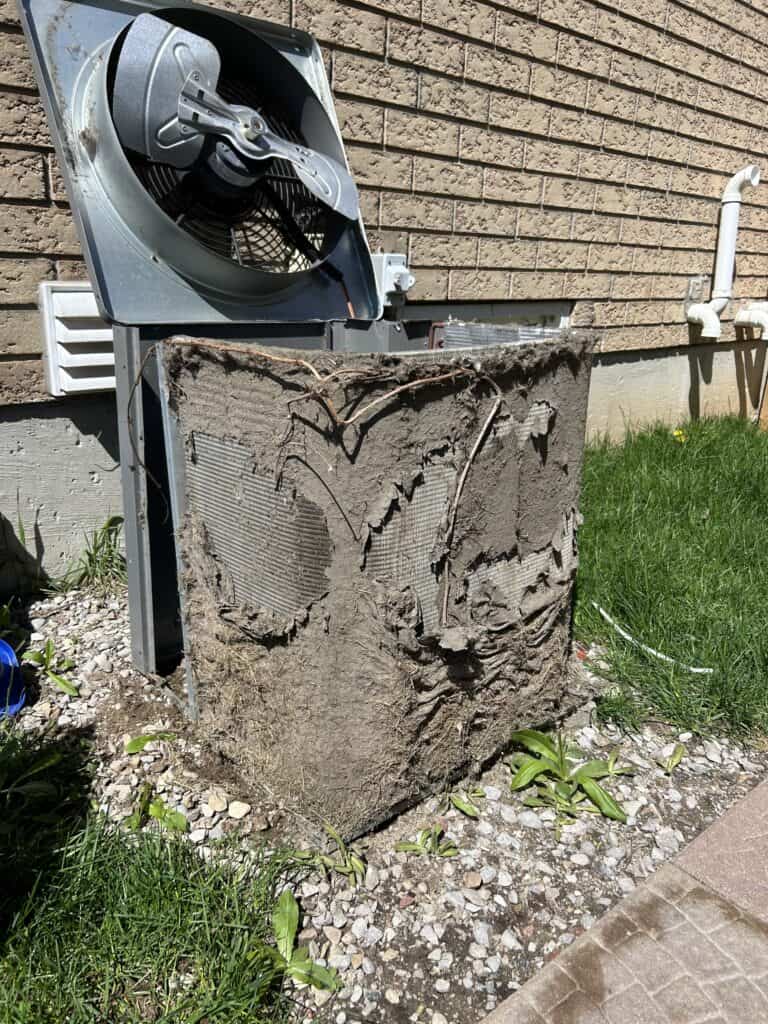
Condenser coils are found in the outdoor part of your AC. They help transfer heat and make your system work well.
It’s important to check and clean these coils often, no matter what brand of AC you have. Start by turning off your AC and clearing away any junk around it. Look at the coils to see if they’re dirty, damaged, or rusty. Use a soft brush or vacuum to remove loose dirt, then use a special cleaner made for coils. Rinse carefully with low-pressure water, and be careful not to bend the fins.
While you’re cleaning, listen for any odd shaking or noises from the compressor, as these might mean there are other problems. Clean coils can make your AC work better and use less energy.
For the best results, think about getting a professional to clean your coils once or twice a year. This is especially important if your AC isn’t cooling as well as it used to or if your energy bills are higher than normal.
Thermostat Troubleshooting
When fixing AC cooling problems, check your thermostat first. Start by adjusting your current thermostat to make sure it reads temperatures correctly.
Think about getting a smart thermostat for better control and to save energy. After you set it up, program the thermostat to work best. Set warmer temperatures when you’re not home and cooler ones when you are.
Calibrating your thermostat
Thermostat calibration is very important for making sure your AC system keeps the right temperature and works well. To calibrate your thermostat, compare what it says to a good thermometer nearby. If they’re different, adjust the thermostat’s sensor inside. For fancy thermostats that you can program or control with your phone, check the maker’s instructions on how to calibrate.
| Factor | Importance |
|---|---|
| Set Point | Critical |
| Room Temperature | High |
| Temperature Range | Medium |
When calibrating, think about the temperature range – the difference between when your AC turns on and off. This is usually 1-3°F (0.5-1.5°C). Make sure your thermostat shows the right temperature scale (Fahrenheit or Celsius). Remember, good calibration makes you more comfortable and saves energy. If you’re not sure how to do this, ask an HVAC expert for help.
Upgrading to a smart thermostat
Smart thermostats are better than regular ones. They save energy, let you control them from far away, and have cool scheduling options.
Popular ones like Nest, Ecobee, Honeywell, Emerson, and Google use smart technology to learn how to keep your home comfy. These devices work with other smart home gadgets, so you can change settings using your phone or voice. Many have sensors to detect where people are and adjust the temperature in different rooms.
Before you buy one, make sure it works with your heating and cooling system and Wi-Fi. To install, take off your old thermostat, connect the wires to the new one, and follow the instructions.
Once it’s set up, you’ll get neat features like knowing when you’re coming home, reports on energy use, and smart schedules. Smart thermostats can really help your air conditioner work better and make your home more comfortable.
Programming for optimal efficiency
To make your air conditioning work best, it’s important to set up your thermostat the right way. This helps keep you comfortable while using less energy. Even if your thermostat isn’t fancy, you can still change it by hand to save money.
Try to match the settings with your daily schedule and when electricity costs less. Some thermostats can help you join programs that reduce power use during busy times, which can earn you rewards.
You can also make small changes, like setting higher temperatures when you’re out or sleeping. Smart thermostats can even change settings on their own when lots of people are using power.
Look for ways to make your heating and cooling system work better. Check your home for places where air might leak in or out. By adjusting your thermostat carefully, you’ll make your AC more efficient, use less energy, and stay comfortable while paying less on your bills.
Ensuring Proper Airflow
Keeping good airflow is really important for your AC to work well and cool your home. To make sure air flows properly, think about these main things:
| Thing to Check | What to Do |
|---|---|
| Vents | Keep furniture away |
| Filters | Change often |
| Ducts | Clean and fix leaks |
| Outdoor unit | Remove leaves and dirt |
| Fan | Make sure it’s working right |
Good airflow makes the fan quieter and helps your AC work better. You might want to think about adding zone controls or small wall units to cool different areas better and control moisture. Check your home for spots where heat gets in or out, and fix any drafts. Adding soundproofing can make air handlers and compressors less noisy.
Taking care of these parts regularly will help your AC keep good airflow, so your whole home stays cool. When you fix airflow problems, your AC will work better and last longer. Additionally, it’s essential to ensure that the filters are cleaned or replaced as necessary, as dirty filters can significantly hinder airflow. For those looking to maintain their system effectively, researching air conditioner repair tips can provide valuable insights into other maintenance practices. This proactive approach can save you from costly repairs and keep your home comfortable throughout the seasons.
When to Call a Professional
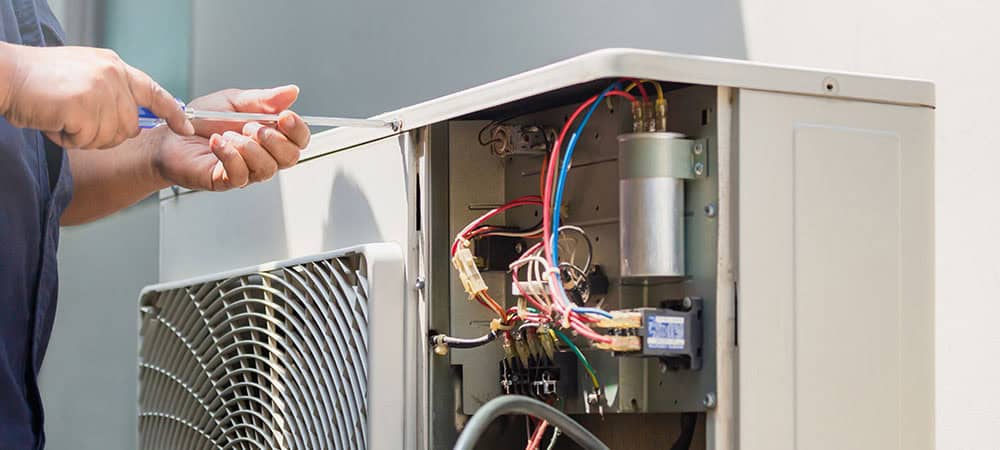
Many AC problems can be fixed on your own, but some need an expert.
Coolant Leak
- Indicators: Ice forming on the cooling coil or hearing a hissing sound near your AC.
- Action: If you suspect a coolant leak, contact an HVAC professional immediately.
Compressor Issues
- Symptoms: Odd noises coming from the unit or the system frequently shut down.
- Action: A failing compressor requires professional attention to avoid further damage.
Electrical Problems
- Signs: Tripped breakers or a burning smell coming from the AC unit.
- Action: Electrical issues are dangerous and should be handled by a certified HVAC technician.
In these cases, it’s best to let an expert handle it.
Signs of refrigerant leaks
When your AC system shows certain signs, it’s important to spot possible refrigerant leaks and get help from a pro quickly. Look out for these clues: Common signs include a hissing sound, reduced cooling efficiency, or an increase in your energy bills. If you notice these indicators, it’s essential to seek fix leaking air conditioner tips from a qualified technician to prevent further damage. Addressing refrigerant leaks promptly can save you money and improve the performance of your system. Ignoring refrigerant leaks can lead to more extensive issues, including compressor failure, which can be costly to repair or replace. Consider scheduling regular maintenance to ensure your system is running efficiently, which can help prevent leaks from occurring in the first place. If you find yourself in this situation, don’t hesitate to contact a professional to fix a leaking air conditioner and restore your home’s comfort.
| Sign | Cause | Impact |
|---|---|---|
| Hissing sound | Refrigerant escaping | Messed up cooling cycle |
| Ice on evaporator coil | Low refrigerant | Less cooling power |
| Short cycling | Uneven pressure | Higher energy use |
| Warm air from vents | Not enough cooling | Stuffy and uncomfortable |
A refrigerant leak hurts your AC’s performance. It leads to poor cooling, damp air, and loss of comfort. It changes the system’s subcooling and superheat levels, which are key for good operation. You might see higher power bills because the unit works harder to keep things cool. Also, low refrigerant can cause problems with the compressor, as it needs refrigerant to work well. If you think there’s a leak, don’t try to fix it yourself. Call a pro to check your system thoroughly.
Compressor issues
Compressor problems can pop up out of nowhere, showing a big issue in your AC system that needs a pro to fix right away. In split systems, the compressor is the main part of the outdoor unit. It moves refrigerant around and keeps the right pressure.
When it fails, your AC’s EER and SEER ratings drop, making it less efficient and less able to cool. Signs of compressor trouble include louder noises, weird shaking, or not starting at all. Your system’s tonnage might be affected, leading to poor cooling.
New tech like inverter technology and variable refrigerant flow can help with some compressor issues, but they’re not perfect. If you think you have compressor problems, don’t try to fix it yourself. A pro can figure out what’s wrong, clean the system if needed, and decide if it’s better to fix or replace it. They’ll also check your zoning setup to make sure it works as well as possible.
Electrical problems
Electrical problems in your AC can be dangerous and tricky. It’s important to call a trained HVAC expert to fix them safely. They’ll check your system’s SEER rating, Energy Star label, and how well it works. Whether you have central air, window units, or portable air conditioners, you need a pro to handle electrical issues. Some common electrical issues in AC units include faulty wiring, blown fuses, and malfunctioning thermostats, all of which can lead to decreased efficiency or complete system failure. Ignoring these problems may not only compromise your comfort but also pose safety risks. Engaging a professional ensures that these concerns are promptly and properly addressed, providing peace of mind and longevity for your equipment.
| Problem | Possible Electrical Cause | What to Do |
|---|---|---|
| No power | Bad wiring or breaker | Call expert |
| Turns on and off a lot | Thermostat not working right | Call expert |
| Strange sounds | Motor or capacitor trouble | Call expert |
| High power bills | Not working well | Call expert |
| Poor air quality | Not enough air flow | Call expert |
Experts can also tell you about newer options like geothermal systems or solar-powered cooling. They’ll think about the size of your unit and how air moves to make sure it works its best and keeps carbon dioxide levels in check.