Natural gas powers many of the systems homeowners rely on every day, from furnaces and water heaters to kitchen stoves, fireplaces, and outdoor barbecues. However, installing or modifying a gas connection requires more than simply attaching an appliance to an existing supply line. Proper pipe sizing, pressure regulation, leak testing, and compliance with safety standards are essential for reliable operation.
For homeowners seeking gas fitting services in Vaughan or residential gas installation in Vaughan, working with qualified professionals helps ensure that gas appliances receive the appropriate fuel supply and that installations meet Ontario’s regulatory requirements.
Whether you’re renovating your kitchen, extending a gas line to an outdoor barbecue, or connecting a new heating appliance, understanding how professional gas fitting works can help you plan the project safely and avoid unnecessary complications.
Key Takeaways: Professional Gas Fitting Services in Vaughan
- Gas fitting involves regulated technical work. Installing, extending, modifying, or connecting residential gas systems requires appropriately qualified professionals.
- Different appliances have different gas requirements. Furnaces, fireplaces, stoves, water heaters, and outdoor equipment must receive adequate gas supply according to their specifications.
- Gas line sizing is essential. Incorrect piping dimensions can cause pressure problems, insufficient fuel delivery, and unreliable appliance performance.
- Professional installations involve safety testing. Qualified gas technicians verify connections, evaluate system conditions, and test completed work according to applicable requirements.
- Planning ahead can prevent unnecessary expenses. Evaluating existing piping, appliance capacity, and future gas requirements before installation can help homeowners make informed decisions.
What Are Residential Gas Fitting Services?
Residential gas fitting involves installing, connecting, inspecting, maintaining, and modifying gas piping and related equipment used to supply fuel to household appliances.
These systems commonly operate on natural gas, although certain properties and appliances may use propane.
Gas fitting work can involve everything from installing a new appliance connection to extending an existing gas line or adjusting a home’s piping configuration.
Because gas systems involve combustible fuel, even seemingly minor modifications require appropriate technical knowledge and safety precautions.
What Does a Licensed Gas Fitter Do?
A qualified gas fitter evaluates the requirements of an appliance and determines how to connect it safely to the property’s fuel supply.
Depending on the project, the work may involve:
- Assessing the existing gas piping system
- Calculating appliance fuel demand
- Selecting appropriate piping materials and connections
- Installing or modifying gas lines
- Connecting compatible gas appliances
- Checking gas pressure and supply conditions
- Testing completed connections for leaks
- Verifying compliance with applicable installation requirements
In Ontario, gas work is regulated by the Technical Standards and Safety Authority (TSSA). Contractors must hold the required registration, and technicians must possess the appropriate certification for the work they perform.
Why Gas Fitting Requires Specialized Expertise
Gas appliances depend on controlled fuel delivery and proper operating conditions.
An incorrectly installed connection can create gas leaks, interfere with appliance performance, or introduce combustion-related safety hazards.
Professional gas fitting accounts for the complete system rather than treating every appliance connection as an isolated task.
For example, adding a new gas appliance may increase the total demand placed on the home’s existing supply piping.
A qualified technician must determine whether the system can accommodate that additional load before completing the connection.
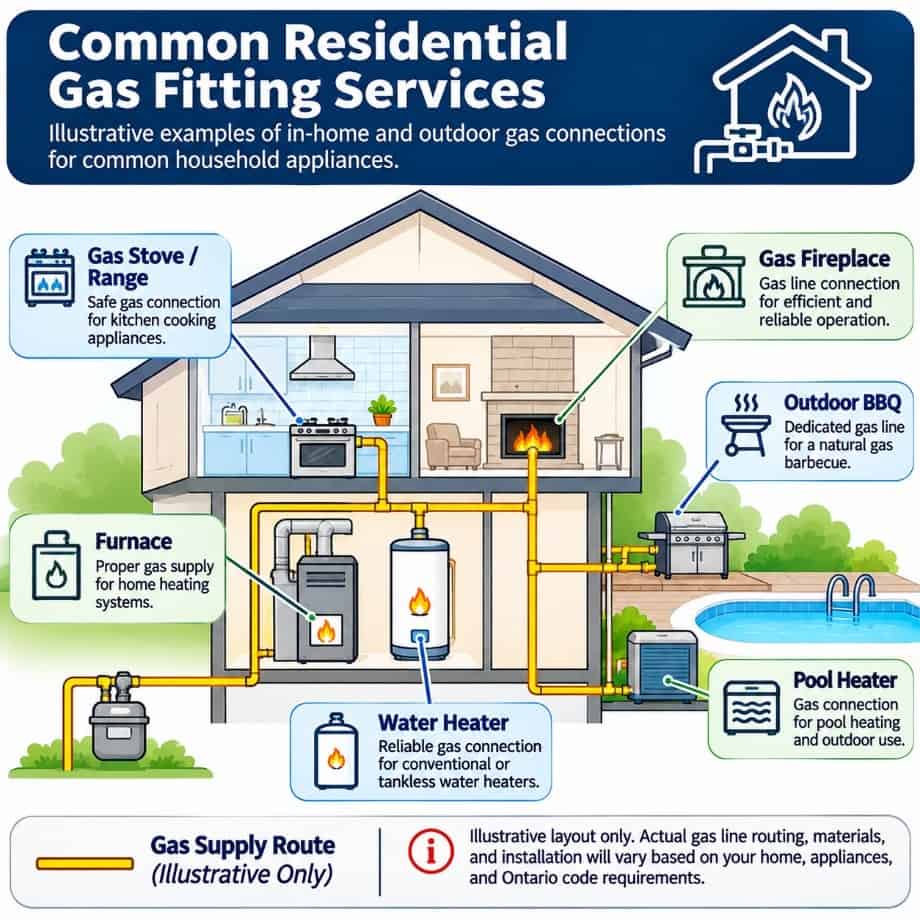
Common Gas Fitting Services for Vaughan Homes
Residential gas fitting supports a variety of indoor and outdoor applications.
The type of installation depends on the appliance, its location, the existing gas supply, and the modifications required to establish a safe connection.
1. Residential Gas Line Installation and Extensions
New gas line installation is often necessary when homeowners add a gas-powered appliance or relocate existing equipment.
A gas line extension connects the new appliance location to an appropriate point within the home’s gas piping system.
Common projects include extending gas piping to a kitchen, basement, patio, or outdoor cooking area.
Before installation, a qualified technician evaluates the existing supply configuration, proposed pipe route, appliance demand, and required connections.
Professional gas line installation in Vaughan helps ensure that the completed system supports the appliance’s operating requirements.
2. Gas Stove and Range Connections
Gas stoves and ranges require a compatible fuel supply and properly installed connections.
Homeowners may need professional gas fitting when replacing an electric stove with a gas model, installing a new gas range, or changing the kitchen layout.
The installation may involve adding a gas line, relocating an existing connection, or modifying piping to accommodate the new appliance.
A technician must verify that the connection and related components comply with the equipment manufacturer’s instructions and applicable safety requirements.
This is especially important during kitchen renovations, when cabinetry, appliance placement, and access to existing piping may change.
3. Gas Fireplace Connections
Gas fireplaces provide supplemental heating and an attractive focal point for residential living spaces.
Installing or replacing a gas fireplace may require a new or modified gas supply connection.
The technician must consider the fireplace’s fuel requirements, location, and existing piping capacity.
Gas line installation is only one part of a complete fireplace project. Depending on the appliance, additional requirements may include approved venting, clearances, and manufacturer-specific installation procedures.
Homeowners should coordinate these requirements before beginning fireplace installation work.
4. Furnace and Water Heater Gas Connections
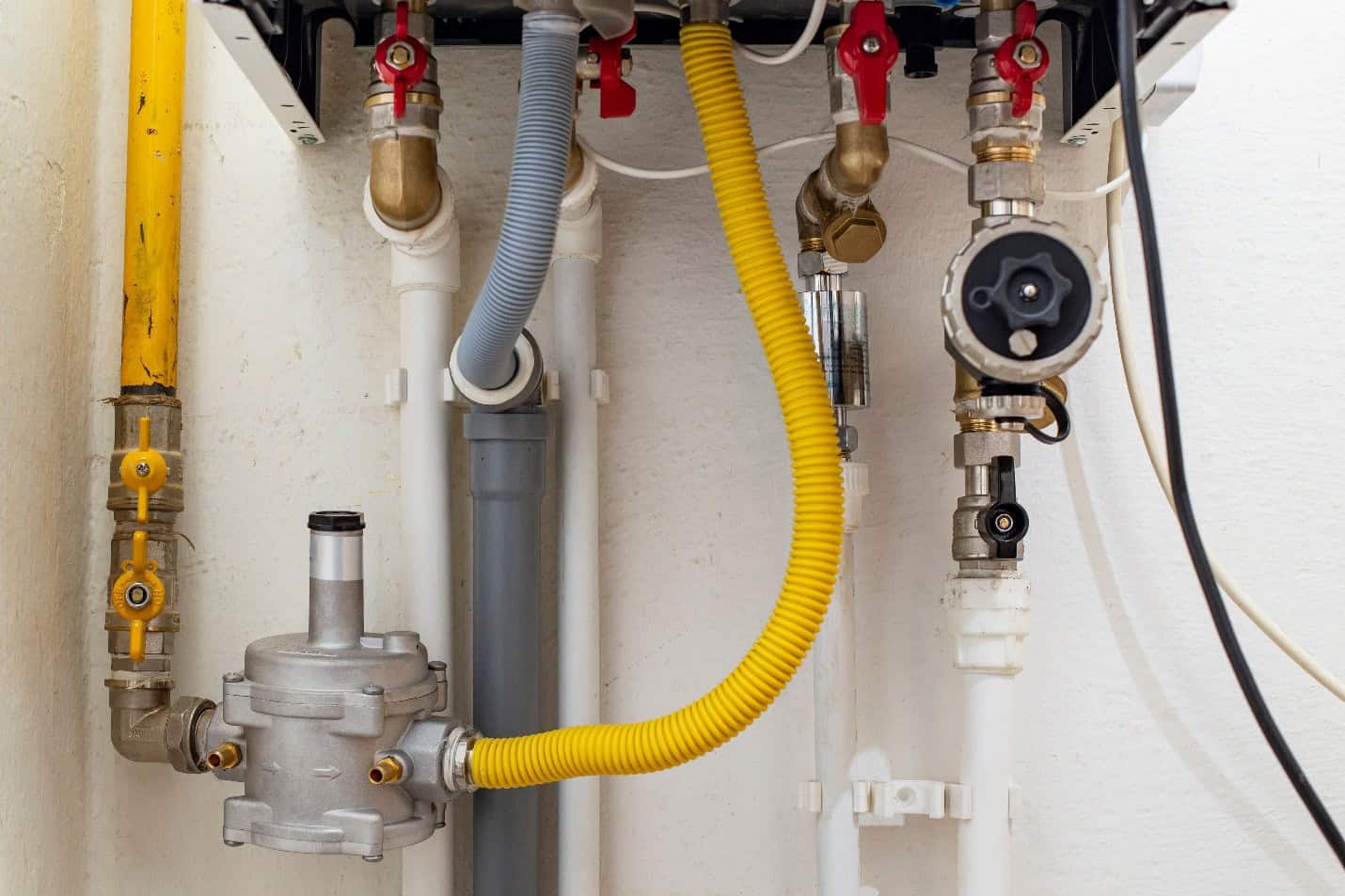
Gas furnaces, conventional water heaters, and tankless water heaters depend on properly sized and regulated gas connections.
Replacing older equipment with a different model may change the amount of fuel required.
For example, some tankless water heaters have substantial instantaneous gas input requirements, which can affect whether existing piping is adequate.
A qualified gas fitter evaluates the appliance specifications and the home’s available supply before recommending modifications.
This helps prevent gas delivery problems that could interfere with heating performance or appliance operation.
5. Outdoor BBQ and Kitchen Gas Lines
Outdoor natural gas connections are a popular option for homeowners who regularly use barbecues and outdoor cooking equipment.
A dedicated gas line can eliminate the need to exchange portable propane cylinders for an appropriately configured natural gas appliance.
However, not every propane barbecue can be connected to natural gas.
The appliance must be designed for natural gas or have a manufacturer-approved conversion where permitted.
Outdoor installations also require consideration of weather exposure, piping protection, shut-off valves, and safe routing.
A qualified installer can evaluate the property and determine the appropriate connection requirements.
6. Gas Lines for Pool Heaters and Outdoor Equipment
Some Vaughan homeowners use natural gas to operate pool heaters, outdoor fireplaces, fire features, or other compatible equipment.
These installations may require longer pipe runs or additional supply capacity.
Outdoor gas lines must be installed using suitable materials and methods for their intended environment.
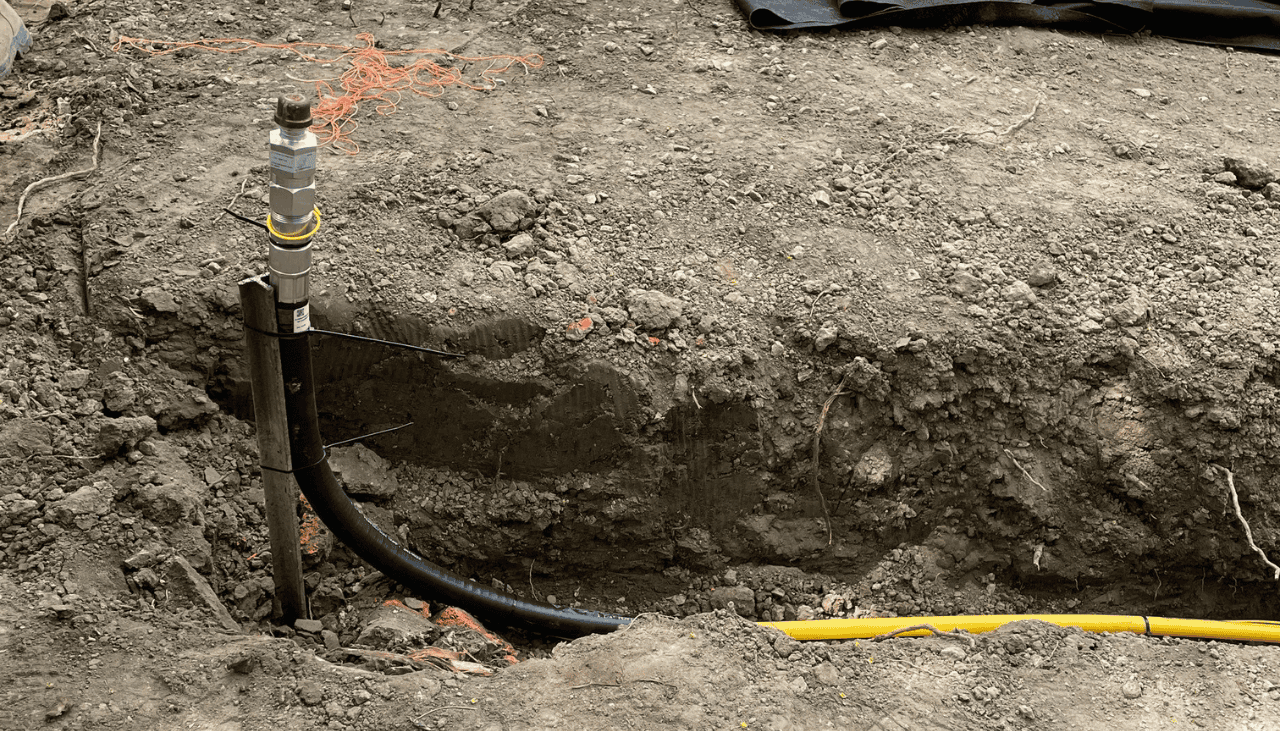
Where excavation is required, underground utilities must be located before digging begins.
The contractor must also account for appliance demand, piping route, and any applicable inspection requirements.
Why Proper Gas Line Installation Matters
A gas line must do more than connect an appliance to a fuel source.
It must deliver gas at the appropriate pressure and volume while maintaining secure connections and complying with applicable installation standards.
An installation that overlooks these requirements may lead to operating problems or safety concerns.
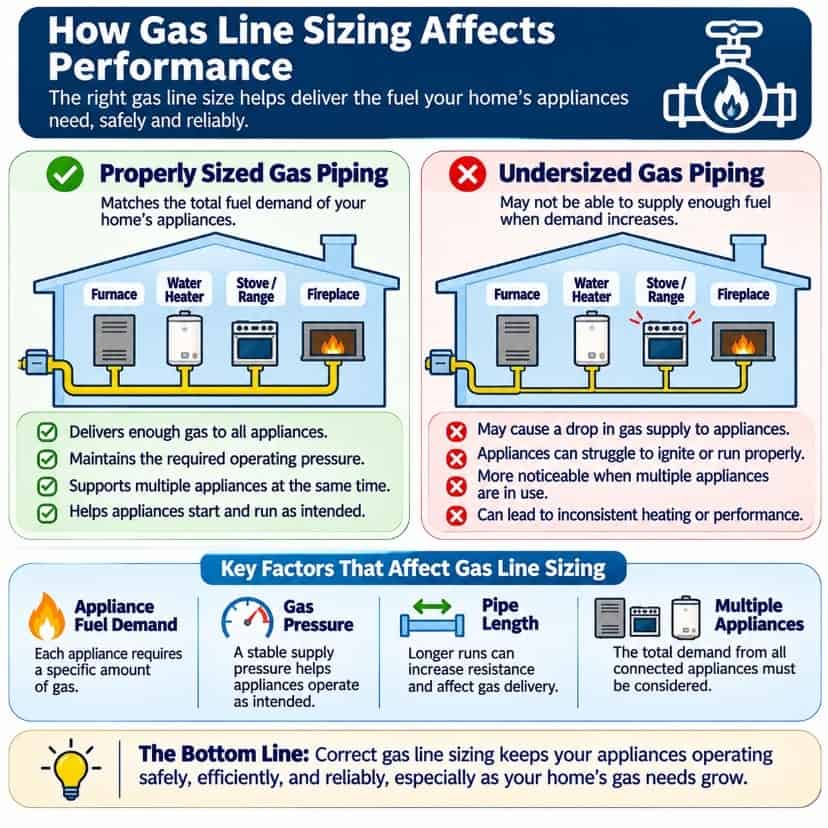
Correct Gas Line Sizing Supports Appliance Performance
Gas piping must accommodate the fuel demand of connected appliances.
Important factors include pipe length, material, available pressure, fittings, and the combined load of appliances supplied by the system.
If piping is undersized, gas pressure at an appliance may fall outside the manufacturer’s required operating range when multiple appliances are running.
This can interfere with ignition, heating output, or normal operation.
A qualified technician evaluates the system using appropriate sizing methods rather than choosing pipe dimensions based on appearance or convenience.
Additional Appliances Can Change Gas Supply Requirements
Adding a gas stove or outdoor barbecue may seem like a relatively small project.
However, the new appliance contributes to the total potential fuel demand of the system.
For example, a home may already have a furnace, water heater, and gas fireplace connected to its supply piping.
Adding another appliance requires an assessment of whether the existing system can support the combined load.
In some cases, additional piping or system modifications may be necessary.
Appropriate Materials and Connections Are Essential
Gas piping materials must be suitable for the application and installed according to relevant standards.
Depending on the installation, approved materials may include steel pipe, copper tubing where permitted, or corrugated stainless steel tubing (CSST).
Each material has specific installation and protection requirements.
The correct choice depends on factors such as location, intended use, exposure conditions, and the applicable code.
Homeowners should avoid attempting to substitute plumbing components or ordinary fittings for approved gas-system materials.
Leak Testing Helps Verify Installation Safety
After gas fitting work is completed, the installer must carry out the testing and verification required for the installation.
This may include pressure testing, leak checks, and examination of connections and relevant controls.
Testing helps identify problems that might not be visible during an ordinary inspection.
However, successful testing at installation does not eliminate the need for future maintenance or safe appliance operation.
What Happens During a Professional Gas Fitting Installation?
Professional gas fitting generally follows a structured process designed to evaluate the property, identify installation requirements, and verify the completed work.
Although individual projects vary, homeowners can expect several important stages.
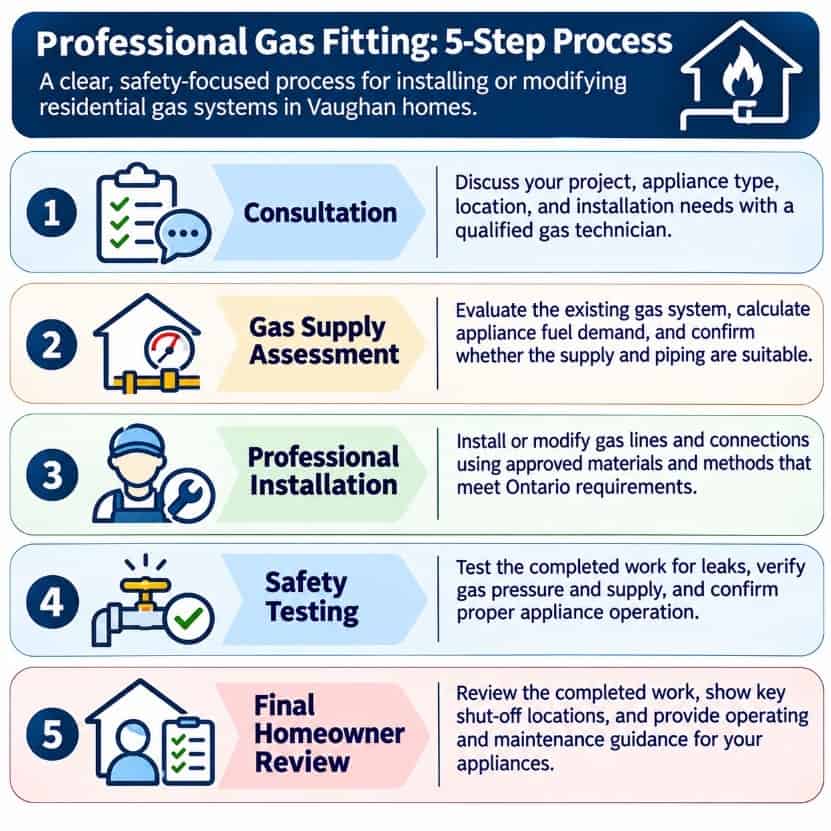
Step 1: Initial Consultation and Project Assessment
The process begins by identifying the appliance or gas system requiring installation.
The contractor may ask about the appliance type, manufacturer, model, desired location, and existing gas connections.
For more complicated installations, an on-site assessment may be necessary to determine piping routes and identify potential obstacles.
This information helps establish the appropriate scope of work.
Step 2: Gas Supply and Appliance Requirements
Before modifying the system, the technician evaluates fuel demand and connection requirements.
This may involve reviewing existing piping, identifying suitable connection points, and determining whether the available gas supply can accommodate the appliance.
The contractor may also assess whether additional components or modifications are needed.
Step 3: Installation or Gas Line Modification
Once the installation requirements have been established, the technician completes the approved work.
Depending on the project, this may involve extending piping, installing fittings, modifying connections, or preparing the supply for a new appliance.
The work must follow applicable Ontario requirements and manufacturer instructions.
Gas connections should never be installed or modified by unqualified individuals.
Step 4: Testing and Safety Verification
After installation, the technician performs the required tests and checks.
These may include verifying connection integrity, checking for leaks, confirming gas pressure, and evaluating the relevant appliance operating conditions.
Any identified problems must be addressed before the installation is considered complete.
Step 5: Final Review and Homeowner Guidance
A professional installer should explain the completed work and provide relevant operating and maintenance information.
This may include identifying accessible appliance shut-off valves, discussing service requirements, and reviewing any manufacturer recommendations.
Homeowners should also receive information about applicable warranties, documentation, and future maintenance needs.
| Installation Stage | Main Purpose |
| Consultation | Understand the appliance and project requirements |
| System assessment | Evaluate existing piping, capacity, and compatibility |
| Installation | Complete the necessary gas connections or modifications |
| Safety testing | Verify connection integrity and operating conditions |
| Final review | Explain the completed work and relevant maintenance considerations |
Planning a New Gas Appliance Installation?
ALP Heating Services provides residential gas fitting and gas line installation in Vaughan and surrounding GTA communities. Discuss your project with qualified technicians who can evaluate your property’s gas supply requirements.
[REQUEST A GAS FITTING QUOTE]
Ontario Gas Fitting Regulations and Safety Requirements
Natural gas and propane systems are regulated because improper installation and servicing can create serious safety hazards.
Homeowners should understand the importance of professional qualifications and applicable requirements before beginning a gas-related project.
Why TSSA Registration Matters
Ontario’s Technical Standards and Safety Authority oversees regulated fuels-related work.
Businesses performing applicable gas installation and servicing activities must be registered with TSSA.
Individuals performing regulated gas work must also hold the appropriate certificates for their responsibilities.
Before hiring a contractor, homeowners can verify the business’s registration and ask about the qualifications of the technicians assigned to the project.
Ontario Gas Installation Codes and Standards
Residential gas installations must comply with applicable provincial requirements and relevant technical standards.
These may include the requirements of Ontario’s fuels regulations, applicable CSA B149 codes, and equipment manufacturer instructions.
Additional building or municipal requirements may apply depending on the project’s scope.
For example, installing a new gas appliance may involve considerations beyond the gas connection itself, including ventilation, clearances, electrical work, or building alterations.
A qualified contractor should identify which requirements apply to the proposed work.
Do Gas Line Installations Require Permits or Inspections?
Requirements depend on the type of installation and the work involved.
Some projects may require additional approvals or inspections, particularly when they involve significant modifications or other regulated construction activities.
Homeowners should ask their gas fitting contractor whether permits, utility coordination, or inspections are necessary.
Any associated costs should be clarified before accepting the installation estimate.
What to Do if You Suspect a Natural Gas Leak
Natural gas leaks require immediate action.
Warning signs may include a rotten-egg odour, an unusual hissing sound near gas piping, or other indications of escaping gas.
If you suspect a gas leak:
- Leave the property immediately.
- Do not operate electrical switches, use flames, or attempt to locate the source.
- Contact 911 or your gas utility’s emergency response line from a safe location outside.
- Do not re-enter until the appropriate authorities confirm that it is safe.
Gas leaks should never be treated as routine maintenance problems.
Homeowners should also maintain functioning carbon monoxide alarms as required by applicable Ontario rules and manufacturer instructions.
Carbon monoxide is colourless and odourless and can result from malfunctioning fuel-burning equipment or other combustion problems.
Factors That Affect Residential Gas Fitting Costs
The cost of residential gas fitting services in Vaughan depends on the installation’s scope, location, and technical requirements.
A simple connection to an existing, suitable gas outlet generally involves less work than installing an entirely new supply line through multiple areas of a home.
Length and Location of the Gas Line
The distance between the existing supply and the new appliance affects the amount of piping and labour required.
A nearby connection may be relatively straightforward, while routing a line through finished areas, ceilings, or outdoor spaces may require additional work.
Accessibility can also influence installation time.
Appliance Type and Fuel Requirements
Different gas appliances have different connection and fuel-demand requirements.
A gas stove, furnace, tankless water heater, and outdoor pool heater may require different piping arrangements or supply capacities.
The installation cost reflects these technical differences rather than simply the number of appliances connected.
Existing Gas System Capacity
Some projects can use the home’s existing piping configuration with minimal modifications.
Others require larger pipe sections, additional connections, or changes to the system to accommodate increased demand.
An assessment helps determine whether the existing infrastructure can support the proposed installation.
Indoor vs. Outdoor Installation
Outdoor gas fitting may require additional protection against environmental conditions.
Underground installations can also involve excavation, utility locating, and restoration of affected areas.
If buried piping is planned, utility locates must be completed before excavation.
Privately owned gas lines may require separate private locating services because they are not necessarily included in standard utility locates.
What Should Be Included in a Gas Fitting Quote?
Before approving the work, homeowners should request a clear explanation of the proposed installation.
A written estimate should identify:
- The appliance or gas line being installed
- The planned scope of piping and connection work
- Major materials and required components
- Labour and testing included in the service
- Any anticipated modifications to existing systems
- Applicable permits or inspection arrangements
- Taxes, additional charges, and relevant warranty terms
The lowest quote isn’t automatically the best option.
Homeowners should consider qualifications, installation requirements, and the completeness of the proposed work.
When Should Homeowners Schedule Gas Line Inspections or Modifications?
Gas fitting isn’t limited to installing new appliances.
Existing systems may require professional evaluation when homeowners renovate, replace equipment, or experience operating problems.
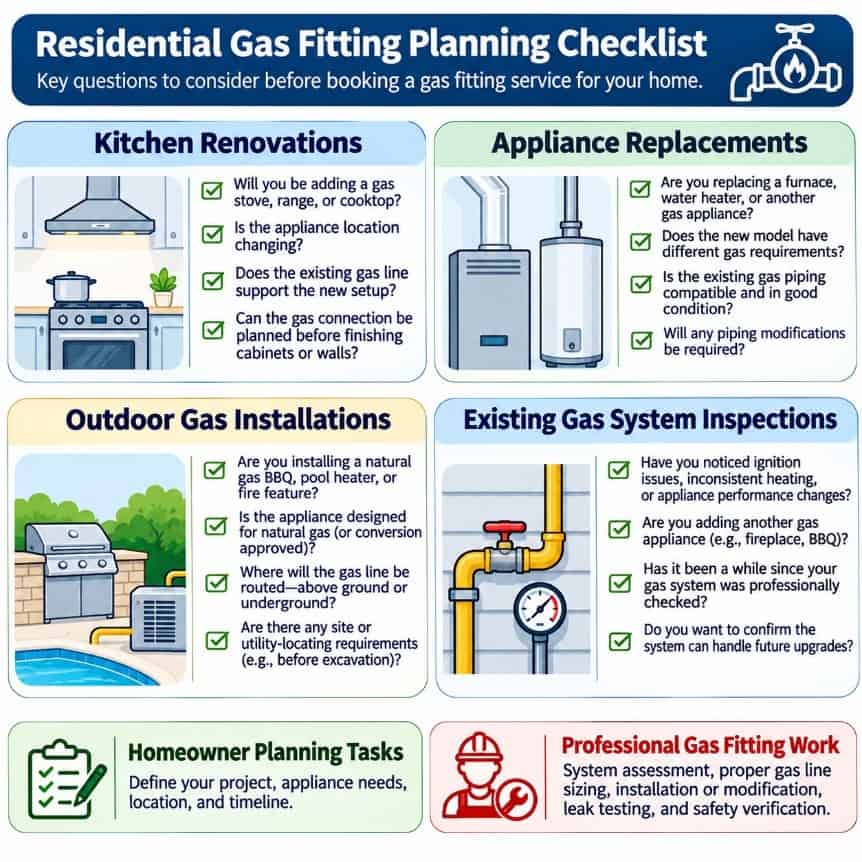
Before Kitchen or Basement Renovations
Renovations can change appliance locations or affect access to existing gas piping.
Planning gas connections before cabinets, walls, or finished surfaces are completed can help avoid unnecessary alterations later.
A gas fitter can assess the intended appliance location and determine how the required connection should be incorporated into the project.
When Replacing Gas Appliances
A replacement appliance may have different gas input or connection requirements from the existing model.
Before installation, the technician should verify that the gas piping, available pressure, and connections are compatible.
This is particularly important when replacing equipment with models that have different fuel demands.
Before Adding Outdoor Gas Equipment
Installing a new barbecue, pool heater, or outdoor gas appliance may require extending the property’s piping system.
Homeowners should arrange a gas supply assessment before purchasing equipment or finalizing outdoor construction plans.
This helps determine whether the installation is feasible and whether additional work is required.
When Appliances Show Signs of Gas Supply Problems
A gas appliance that repeatedly fails to ignite or operates inconsistently may have a component problem, a gas supply issue, or another malfunction.
However, these symptoms alone don’t confirm a problem with the gas piping.
Professional testing is necessary to identify the cause.
Persistent gas-related operating problems should not be addressed through DIY piping modifications.
As Part of Routine Appliance Maintenance
Regular servicing provides an opportunity to evaluate the condition of fuel-burning equipment and associated components.
The frequency and scope of inspections depend on manufacturer recommendations, equipment condition, and applicable requirements. A qualified technician can identify visible deterioration or other concerns that may require further assessment.
Professional Gas Fitting with ALP Heating Services
Professional gas fitting is essential for ensuring that residential gas appliances receive the appropriate fuel supply and operate according to applicable safety requirements.
Whether you’re installing a new gas stove, connecting a fireplace, extending a barbecue line, or replacing heating equipment, proper planning can help prevent compatibility problems and unnecessary modifications.
A qualified gas fitter evaluates the property’s existing system, determines the installation requirements, and completes the appropriate testing before placing the equipment into operation.
ALP Heating Services provides residential gas fitting and gas line installation services in Vaughan and surrounding Greater Toronto Area communities. Its qualified gas technicians work with household heating appliances, kitchen equipment, gas fireplaces, outdoor connections, and other supported residential applications.
Need Professional Gas Fitting Services in Vaughan?
Planning a new gas appliance installation or modifying an existing gas line?
Contact ALP Heating Services to discuss your residential gas fitting requirements and receive guidance on the appropriate next steps.
[REQUEST YOUR GAS FITTING QUOTE]
Call (647) 972-8714 or submit a service inquiry through the ALP Heating website.
Frequently Asked Questions About Gas Fitting Services in Vaughan
1. What types of residential gas fitting services are available in Vaughan?
Residential gas fitting services in Vaughan include installing and extending gas lines, connecting compatible appliances, modifying existing piping, and inspecting gas system components. Common applications include furnaces, water heaters, gas stoves, fireplaces, and outdoor barbecues. A qualified gas technician evaluates the appliance’s fuel requirements and the existing system before completing the installation.
2. Do I need a licensed gas fitter to install a gas stove or fireplace in Ontario?
Yes. Gas appliance installation and regulated gas piping work in Ontario must be performed by appropriately certified individuals working for TSSA-registered contractors. This includes installing or modifying gas connections for residential stoves and fireplaces. Hiring qualified professionals helps ensure that connections meet applicable safety requirements and manufacturer specifications.
3. Can an existing residential gas line support additional appliances?
An existing gas line may support additional appliances if the system has sufficient capacity and meets the relevant installation requirements. A technician must consider pipe size, length, available pressure, and the combined gas demand of connected appliances. If the existing system cannot accommodate the additional load, piping modifications may be necessary before installation.
4. How much does professional gas line installation cost in Vaughan?
Gas line installation costs in Vaughan vary according to piping length, installation location, appliance requirements, accessibility, and necessary system modifications. Connecting an appliance to an existing suitable outlet may cost less than extending gas piping through a home or underground to an outdoor appliance. A professional assessment provides the most accurate estimate for the proposed work.
5. Can homeowners install or modify gas lines themselves?
No. Homeowners should not attempt regulated gas piping installation or modifications unless they hold the qualifications and authorization legally required for the work. Incorrect connections can cause gas leaks, appliance malfunctions, fires, or other serious hazards. In Ontario, gas fitting work should be completed by certified technicians working for registered contractors.
6. Does ALP Heating provide professional gas fitting services in Vaughan?
Yes. ALP Heating Services provides residential gas fitting and gas installation services in Vaughan. Its qualified technicians handle gas line installations, appliance connections, and modifications to existing residential gas piping. Homeowners can contact ALP Heating to discuss their project and determine the appropriate installation requirements.
7. Can ALP Heating install gas lines for outdoor barbecues and pool heaters?
Yes. ALP Heating provides residential gas line installation for outdoor applications, including barbecues and pool heaters. Its technicians can assess the proposed appliance location, existing gas supply, and piping requirements before recommending an installation. Outdoor projects may also require additional preparation, utility locating, or weather-appropriate piping arrangements.
8. Does ALP Heating provide gas connections for furnaces, water heaters, and kitchen appliances?
Yes. ALP Heating works with residential gas connections for furnaces, water heaters, gas stoves, and other compatible household appliances. Its technicians evaluate equipment requirements and existing piping conditions to determine whether a new connection or system modification is necessary. Installation work includes applicable safety checks and testing.
9. Can ALP Heating assess whether an existing gas line needs upgrading?
Yes. ALP Heating provides residential gas system assessments to help determine whether existing piping is suitable for a proposed appliance installation. Its technicians can evaluate factors such as appliance fuel demand, available gas supply, and piping configuration. If modifications are necessary, they can explain the recommended work and installation considerations.
10. How can Vaughan homeowners schedule gas fitting services with ALP Heating?
Vaughan homeowners can request gas fitting services by calling ALP Heating Services at (647) 972-8714 or submitting an inquiry through its website. When contacting the company, describe the appliance, intended installation location, and any existing gas connections. ALP Heating can review the project details, discuss assessment requirements, and confirm scheduling availability.