Have you ever had your air conditioner suddenly stop working on a hot summer day? One of the most common causes is a failed capacitor for AC systems. This small but vital part helps start and run both the compressor and the fan. When it fails, your AC unit may shut down or struggle to cool your home. In this guide, we’ll break down what a capacitor for AC does, how to recognize early signs of trouble, and how ALP Heating can help restore your system quickly. A broken capacitor can also lead to common AC compressor issues, which are often more costly and complex to repair. Catching these problems early can prevent major damage and keep your home comfortable all summer long.
Capacitor Air Conditioner: What It Is and What It Does?
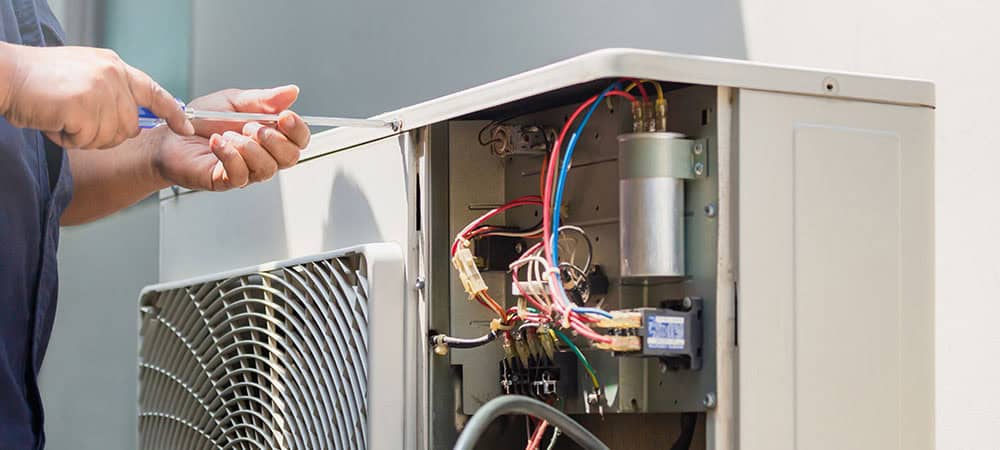
Capacitors are small, cylindrical electrical components that store and release energy in an air conditioner. They play a crucial role in starting and maintaining the operation of the compressor and fan motors, which are responsible for cooling your home. There are two primary types of capacitors found in air conditioners: start capacitors and run capacitors.
- Start Capacitors: These capacitors provide an initial boost of energy to start the compressor and fan motors. They are only active for a few seconds during the startup process.
- Run Capacitors: These capacitors continuously supply power to the compressor and fan motors to maintain their operation. They stabilize the voltage and increase the motor’s efficiency.
Causes and Symptoms of Broken Air Conditioning Capacitor
Several factors can contribute to capacitor failure, including age, heat exposure, electrical surges, and manufacturing defects. As a capacitor starts to fail, you may notice the following symptoms:
- Difficulty Starting: A damaged start capacitor may cause the air conditioner to struggle when starting up or prevent it from turning on altogether.
- Inconsistent Cooling: A failing run capacitor can lead to inconsistent cooling, as the compressor and fan motors may not receive a stable supply of power.
- Humming or Buzzing Noises: A failing capacitor may cause a humming or buzzing noise to emit from the air conditioner.
- High Energy Bills: As a result of inefficient motor operation, a faulty capacitor can lead to increased energy consumption and higher utility bills.
Diagnosing and Fixing Broken Capacitors in AC
If you suspect a broken capacitor in your air conditioning system, it is crucial to act promptly to prevent further damage to your unit. You can follow these steps:
- Turn off the power to your air conditioner to ensure safety.
- Visually inspect the capacitor for signs of damage, such as bulging, leaking, or discoloration.
- If you are familiar with electrical testing, use a multimeter to check the capacitor’s functionality. However, we recommend contacting a professional, like ALP Heating, to diagnose and repair the issue accurately.
- If a broken capacitor is confirmed, it should be replaced with a new capacitor of the same type and specifications. A qualified technician from ALP Heating can perform this task quickly and efficiently.
ALP Heating: Your Partner in Solving Air Conditioner Issues
At ALP Heating, we understand the importance of a functional air conditioning system, especially during the hottest months of the year. Our team of skilled technicians is ready to help you diagnose and resolve any issues related to broken capacitors in AC or other air conditioner problems. We pride ourselves on providing top-quality ac repair service and customer satisfaction.
Preventative Maintenance: Key to Avoiding Capacitor Issues

Preventative maintenance is essential to ensure the longevity and efficiency of your air conditioning system. By scheduling regular check-ups and maintenance with ALP Heating, you can significantly reduce the risk of capacitor-related issues and other air conditioner problems.
Here are some essential maintenance tips to keep your AC running smoothly:
- Clean or replace air filters regularly: Dirty air filters can put extra strain on your air conditioner, leading to inefficient operation and potential damage to components like capacitors.
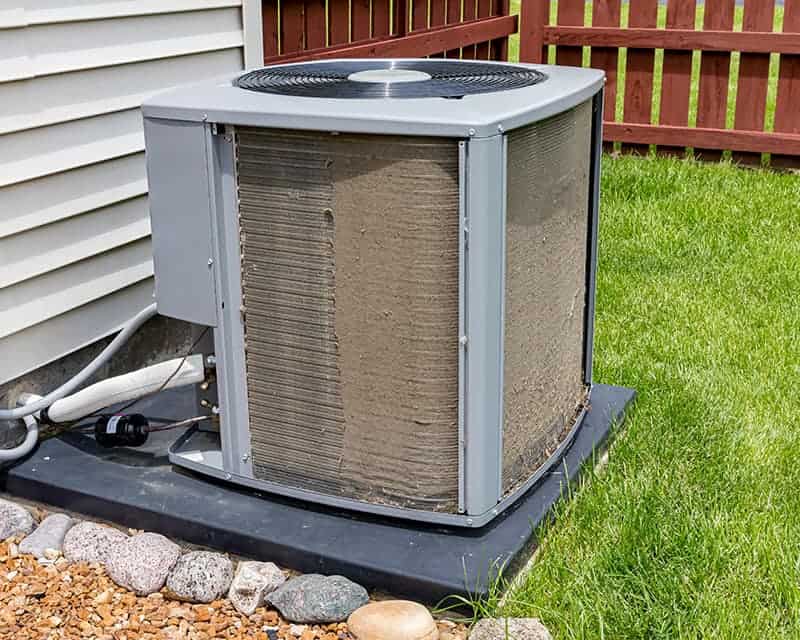
- Inspect and clean the outdoor unit: Keep the outdoor unit free from debris, dirt, and other obstructions to ensure proper airflow and prevent overheating.
- Check the refrigerant levels: Low refrigerant levels can cause your air conditioner to work harder, leading to additional stress on the capacitors and other components.
- Schedule annual maintenance: Professional annual maintenance with ALP Heating can help identify potential issues, such as worn capacitors before they become significant problems.
Conclusion
Broken capacitors in AC systems can cause a range of issues that impact your air conditioner’s performance and efficiency. By understanding the causes, symptoms, and solutions for capacitor problems, you can take the necessary steps to ensure your air conditioning system remains in top condition.
Remember, ALP Heating is here to help with any air conditioner issues you may encounter. Reach out to us at 647-972-8714 or email us at contact@alpheating.ca to schedule a service appointment or for further assistance. Our team of experienced technicians is committed to keeping your home comfortable all year round.