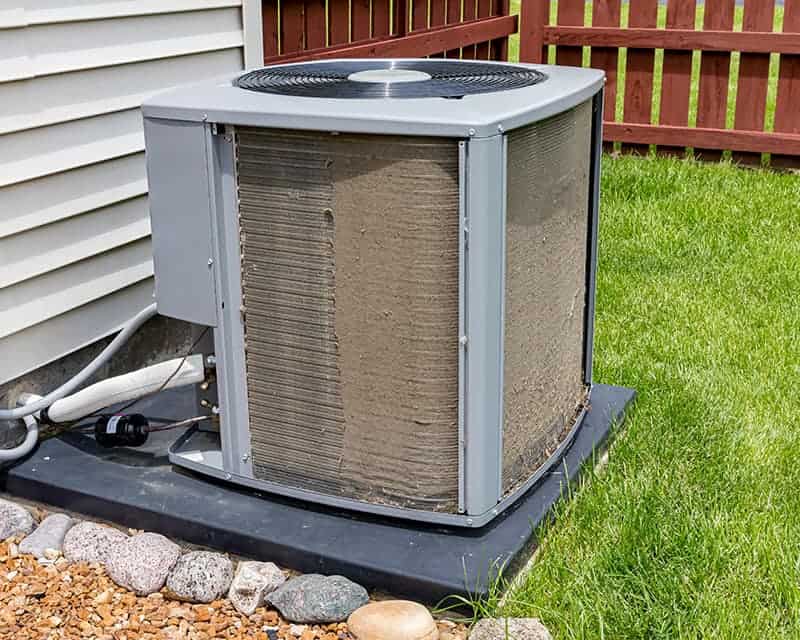
Your AC might freeze up for several reasons. Blocked airflow from dirty filters, closed vents, or broken fans stops heat from moving properly, causing ice on the coil. Problems with coolant, like not enough or blockages, also mess up cooling and lead to freezing.
Faulty thermostats and controls can make these issues worse. To stop freeze-ups and keep your AC working well, you need to take care of it. Change filters often, clean coils, and get a pro to check it regularly.
Let’s look closer at these common causes and how to fix them.
Key Takeaways
- Poor airflow from dirty filters, blocked vents, or broken blower motors can make the cooling coil freeze and lower how well your AC works.
- Too little or too much coolant, as well as blocks in the coolant system, can stop heat from moving properly and cause the coil to freeze.
- Problems with the thermostat, like putting it in the wrong spot or using one that doesn’t fit, can make temperatures uneven and help the AC freeze up.
- Regular upkeep, like changing air filters, cleaning coils, and having experts check coolant levels, can stop freeze-ups and keep your heating and cooling system working its best.
- Fixing the main causes, such as airflow issues, coolant problems, or broken thermostats, is key to solving and stopping future AC freeze-ups.
Understanding the AC Freeze-Up Process
When your AC freezes up, it’s important to know how it happens. The evaporator coil is key, and problems with refrigerant movement can cause freezing.
Watch for signs like ice forming, as this can help you spot and fix the main issue.
The Role of the Evaporator Coil in AC Systems
The evaporator coil is a key part of an air conditioning (AC) system. It helps us understand why AC units freeze up. This important piece takes heat from indoor air, letting the refrigerant turn into gas and cool the room.
But when things go wrong, ice can form on the evaporator coil, making the system work poorly.
This can happen because of:
- Not enough air moving due to a dirty air filter
- Too little refrigerant from leaks
- Thermostat problems causing too much cooling
- Blocked water drain stopping proper water flow
To fix the freeze-up, you need to solve these main issues. This might mean cleaning the air filter or fixing refrigerant leaks. Doing this will help your AC work well again. Additionally, you should check the thermostat settings to ensure they are correctly calibrated. In cases where the AC unit still struggles to perform, troubleshooting unresponsive air conditioning may involve examining the electrical connections and contacts. Regular maintenance can also prevent future issues, so consider scheduling periodic inspections by a professional. In situations where troubleshooting unresponsive air conditioning proves difficult, you may need to assess the compressor’s functionality or check for any obstructions in the ducts. It’s essential to address these problems promptly, as neglect can lead to more significant repairs down the line. Keeping a log of any issues encountered can also aid technicians during servicing, ensuring a comprehensive approach to maintenance.
How Refrigerant Flow Affects Freezing
The amount of coolant moving through an air conditioning system is very important for freezing. When there’s not enough coolant, the cooling coil can’t take in enough heat, making it get too cold and freeze.
On the other hand, too much coolant can also cause freezing by stopping the coolant from moving and turning into gas properly.
Common reasons for AC freezing related to coolant flow are:
| Reason | Fix |
|---|---|
| Low coolant level | Check coolant amounts, add more |
| Broken temperature control | Put in new temperature control |
| Faulty fan motor | Fix or replace fan motor |
Fixing these problems and keeping the right amount of coolant is key to stopping AC freeze-ups and making sure cooling works well and reliably.
Signs Your AC is Freezing Up

Usually, the first clue that your air conditioner is freezing up is a big drop in air coming from the vents. This less air moving is a clear sign that something is stopping the unit from cooling and removing moisture from the air as it should.
Other common signs include:
- A thick layer of ice forming on the coils or outside of the unit
- Frozen water drain pipes, causing water to build up
- Warm air coming out of the vents instead of cold air
- Higher than normal readings on your HVAC tools or refrigerant leak finder
To fix a freezing AC, start by looking for a dirty air filter, blocked airflow, or problems with the water drain. Regular upkeep, like cleaning the outdoor unit and checking refrigerant levels with a thermometer and pressure gauge, can also stop future freeze-ups.
Airflow Issues Leading to AC Freeze-Up

When your AC unit freezes up, look for airflow problems. Dirty air filters, blocked vents, and faulty blower motors can all lessen airflow and cause freeze-ups. Fixing these airflow issues is crucial to stop the freezing and get your AC working well again.
Remember to use Canadian spelling and terms like “faulty” instead of “problematic” for simplicity.
The Impact of Dirty Air Filters on System Performance
Dirty air filters can greatly hurt your AC system’s performance, leading to a worrying freeze-up problem. As these filters get clogged with dust, dirt, and other bits in the air, they block the airflow needed for good heat exchange.
This makes your AC work harder, lowering efficiency and overworking parts like the compressor and condenser.
The results are many:
- Less cooling power and uneven temperature spread throughout your home.
- Higher power bills as your AC struggles to cool your space.
- Faster wear on key parts, shortening how long the system lasts.
- The feared frozen coil is a pricey issue that needs quick fixing.
To dodge these troubles, be sure to change your air filters as often as recommended and think about getting a better pleated or fibreglass filter to clean the airflow more effectively. Regular maintenance of your HVAC system is also crucial in preventing common issues that can impede airflow. If your air filters are dirty or clogged, it can contribute to the causes of weak air from vents, leading to less efficient heating or cooling in your home. Additionally, consider scheduling annual check-ups with a professional to ensure that all components of your system are functioning properly and to catch any potential problems early.
Blocked Vents and Return Air Problems
Blocking your home’s air vents or ignoring the return air system can greatly limit airflow, causing your AC to freeze and stop working. Not enough return air can stop the coil from getting enough warm air, making it ice over.
Also, a return air grille that’s too small won’t let enough airflow. Think about these issues:
| Airflow Problem | Possible Causes | Fixes |
|---|---|---|
| Blocked Vents | Furniture in the way, dirt, pet hair | Make sure vents are clear |
| Return Air Issues | Too-small return air grille, dirty filters | Make return air opening bigger, clean/change filters |
Fix any airflow problems, then check the coolant level and clean the coil. Clearing the water drain line and letting the system that can also fix a freeze-up.
Blower Motor Malfunctions and Airflow Reduction
A faulty blower motor can greatly cut down airflow, making your AC system freeze up. Look at the blower motor for problems, like worn-out bearings or a bad capacitor, and swap it out if needed. Good airflow is key to stopping your AC from icing over. Regular maintenance of your blower motor can prevent these issues from arising, ensuring consistent performance throughout the cooling season. Additionally, understanding air conditioner issues helps you identify potential problems early, allowing for timely repairs. By keeping an eye on airflow and motor function, you can avoid costly repairs and maintain a comfortable indoor environment.
Some common signs of a blower motor issue are:
- Less air coming out
- Odd sounds like grinding or squeaking
- Can’t change fan speed settings
- Poor cooling even when the AC is on
If you think there’s a blower motor problem, ask an HVAC expert to check it out. They can suggest the right blower motor type and duct changes to fix airflow and prevent more AC freeze-ups.
Refrigerant-Related Freeze-Up Causes
When your AC gets icy, it’s usually because of troubles with the cooling stuff inside. Not enough coolant, too much coolant, or blocked coolant paths can all make your AC freeze up. These coolant-related issues hurt how well your AC works.
Let’s look at why this happens and how to fix it.
(1) Low Refrigerant Charge and Its Effects
Low refrigerant charge is the main reason for AC freeze-up, which can greatly harm your system’s work and efficiency. Without enough refrigerant, your AC will have trouble moving heat, leading to ice forming. A low charge can cause:
- Less cooling power, making your home feel warm and unpleasant.
- Bigger power bills as the system works harder to make up for it.
- Possible compressor harm due to more stress and wear.
- Shorter system life as parts are overused.
To find and fix a low refrigerant problem, use a tool to check pressures, temperatures, and power use. Fill the system to what the maker says, and make sure the unit size is right for your home. Keeping the right R-134a refrigerant levels is key to stopping future freeze-ups.
(2) Overcharged Systems and Freezing Issues
Too much coolant in your AC system can cause freezing problems, just like when there’s not enough. Extra coolant makes it hard for the system to move heat well, leading to ice on the coils.
This can happen even with good insulation and top brands like Carrier, Trane, Lennox, Rheem, or Goodman. The extra coolant floods the compressor, making it work harder and use more power.
You might hear the compressor get louder or need a special cover to quiet it.
To fix an AC with too much coolant, a technician needs to take out the extra. They’ll then check the system and put in the right amount as the maker says, to get proper airflow and heat transfer back.
(3) Refrigerant Flow Restrictions and Their Consequences
When refrigerant can’t flow well, it can make the AC freeze up. This happens because the system can’t move heat around properly. Things like a blocked filter drier, a broken expansion valve, or not enough refrigerant from leaks can cause this.
If the refrigerant can’t move freely, the coils get too cold and ice forms. This ice makes it even harder for air to move and for heat to be transferred.
Things that can stop the refrigerant from flowing well:
- Blocked or clogged filters or driers
- Broken expansion valves or metering devices
- Not enough refrigerant because of leaks
- Using the wrong type of refrigerant, like R-32 or R-290 (propane)
Fixing these flow problems is important to stop the AC from freezing and to make it work well again.
Thermostat and Control Issues
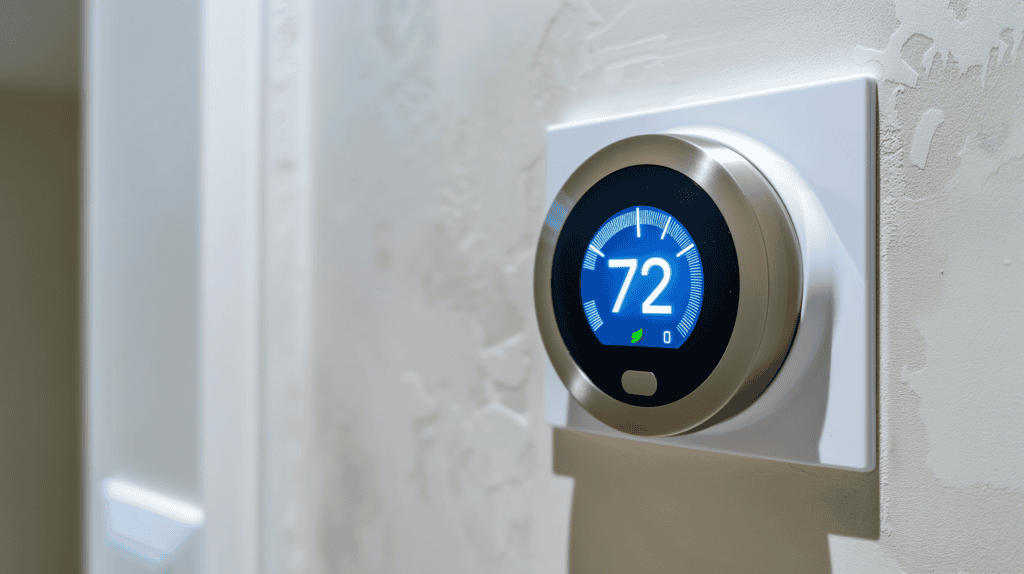
Your AC might freeze up because of problems with the thermostat and control settings. A broken thermostat can mess up how the system works, causing the coils to freeze. Making sure the fan settings and temperature are set right can help stop this common issue and keep your AC working well.
How Faulty Thermostats Contribute to Freezing
A broken thermostat can mess up the careful balance needed for your air conditioner to work properly, causing the unit to freeze. If you suspect that your thermostat is malfunctioning, it’s important to address the issue promptly to avoid further problems. Alongside seeking professional help, there are some air conditioner troubleshooting tips you can follow to diagnose the situation, such as checking the battery or resetting the thermostat. Taking these steps can help restore the balance your air conditioner needs to function optimally.
Whether you have a window unit, a thermostat you can program, or a smart one that connects to Wi-Fi, problems with how well the thermostat measures temperature can cause big trouble for your cooling system.
To stop your AC from freezing up and to get good, comfy cooling in your home again, watch out for:
- Wrong temperature readings that make the AC cool too much
- Putting the indoor thermostat in the wrong spot
- Problems with the thermostat’s wires or power
- An old thermostat that doesn’t work well with a newer, better AC system
The Role of Fan Settings in Preventing Freeze-Up
Making sure your air conditioner’s fan settings are set up properly can help stop freeze-up, a common problem caused by thermostat and control issues. Good fan operation is important – it moves air around and stops it from sitting still, which can cause ice to form.
Check that your fan’s CFM (cubic feet per minute) matches what your unit needs. Badly made fan blades or poor vibration control can also lead to freeze-ups. Don’t use energy-saving modes when you’re using the AC a lot, as this can limit airflow.
If you have a variable-speed compressor, make sure the fan settings work well with it to avoid airflow problems. By keeping an eye on and changing your fan settings as needed, you can prevent AC freeze-ups well.
Impact of Incorrect Temperature Settings on System Operation
Wrong temperature settings can greatly affect how your air conditioner works, leading to serious problems like frozen coils. If you set the thermostat too cold, the compressor will work too much, making the coolant very cold and causing ice on the evaporator coil.
On the other hand, if you set it too warm, the cooling might not be enough to lower the indoor air temperature properly, which can lead to too much moisture and mould growth.
Wrong temperature settings can also:
- Lower your system’s energy savings and Energy Star rating.
- Cause your all-in-one unit or heat pump to break down.
- Reduce airflow and cooling efficiency.
- Make it hard for your AC to cool your home well.
For best results, always use the right temperature settings for your system’s cooling power.
Maintenance and Prevention Strategies
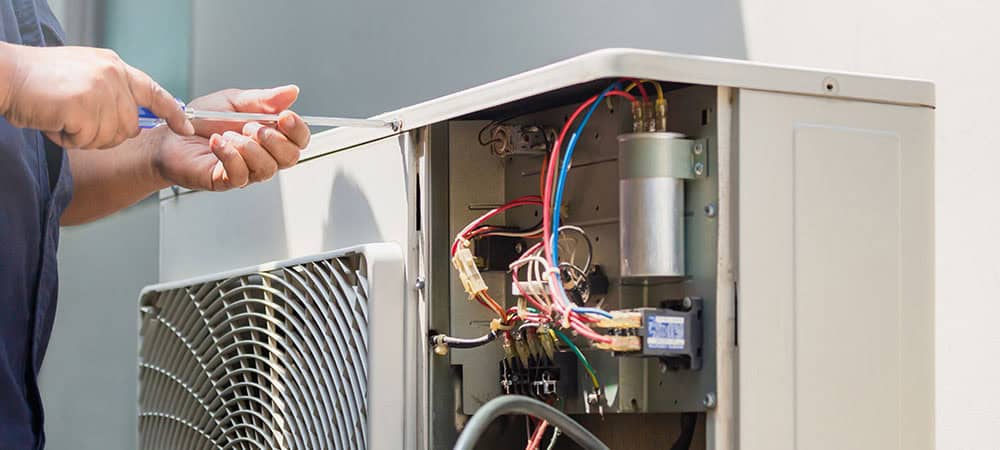
Keeping your AC system in great shape is important to stop freezing problems. Start by often changing the air filter and cleaning the coils – this will help keep air moving and the system working well. Also, book a yearly HVAC check-up with an expert to look at the coolant level.
This can find any small issues before they turn into big troubles.
Regular Filter Changes and Coil Cleaning

Changing your air conditioner’s air filter often and cleaning the coil helps stop the unit from freezing. Not doing these easy upkeep jobs can cause dirt, dust, and bits to build up. This blocks airflow and makes the coil freeze.
It’s important to keep up with this because:
- Dirty filters block airflow, making the coil too cold and freeze.
- Clogged coils can’t move heat well, leading to freezing.
- Stuff in the drain pan can stop water from draining, causing overflow and freezing.
- Poor upkeep can break the compressor, which is costly to fix.
Think about getting a better filter like Filtrete, Honeywell, or HEPA. Clean the coils often for the best working unit.
Professional Refrigerant Charge Checks
Another key upkeep task is to have a skilled worker check the coolant amount in your air-con system. Wrong coolant levels can cause freezing problems, as a system with too little coolant will have trouble moving heat, which might make the coil freeze.
An HVAC expert can do a full check, looking for leaks and making sure the coolant amount is right.
| Job | What It Means |
|---|---|
| Find Leaks | Worker looks for any coolant leaks in the system |
| Take Out Coolant | Worker takes out and stores the old coolant |
| Put In New Coolant | Worker puts the right amount of new coolant in |
Spotting and fixing coolant issues early can stop bigger troubles later, so don’t miss this important check-up.
Importance of Annual HVAC System Tune-Ups
Along with checking refrigerant levels, it’s important to book yearly HVAC tune-ups to keep your system working well and stop future problems. Regular check-ups by experts are key to finding any hidden issues and making sure your system runs well.
An HVAC tune-up will:
- Look at all parts to make sure they work right.
- Clean important bits like coils, filters, and the blower.
- Oil moving parts to lower strain and wear.
- Adjust thermostat settings to keep comfy temperatures.
Skipping yearly tune-ups can cause surprise breakdowns and higher power bills. Don’t wait for your system to fail – book a tune-up now to keep it running smoothly and avoid costly standby power problems.

ALPCare Maintenance Plans
Protection All Year-Round.
Experience Perfect Temperatures in Every Season — Affordably.
Explore Our Plans