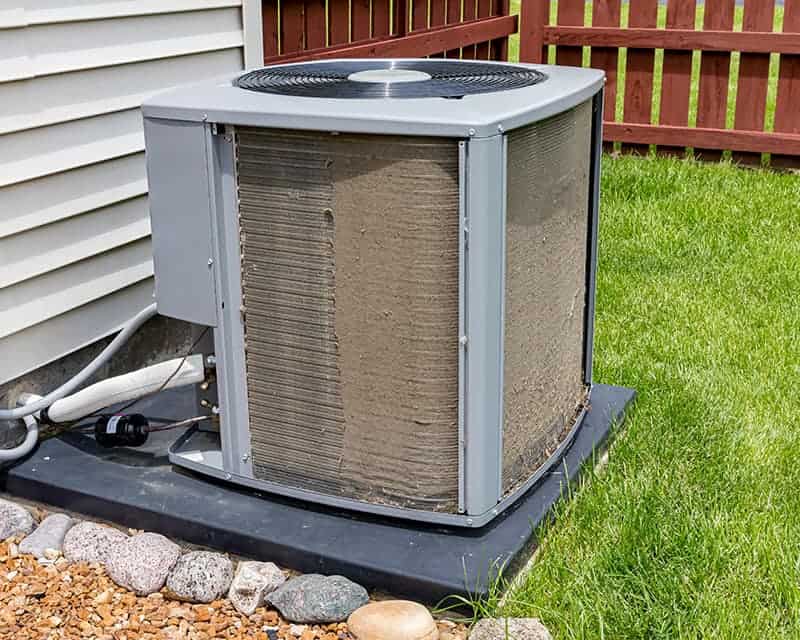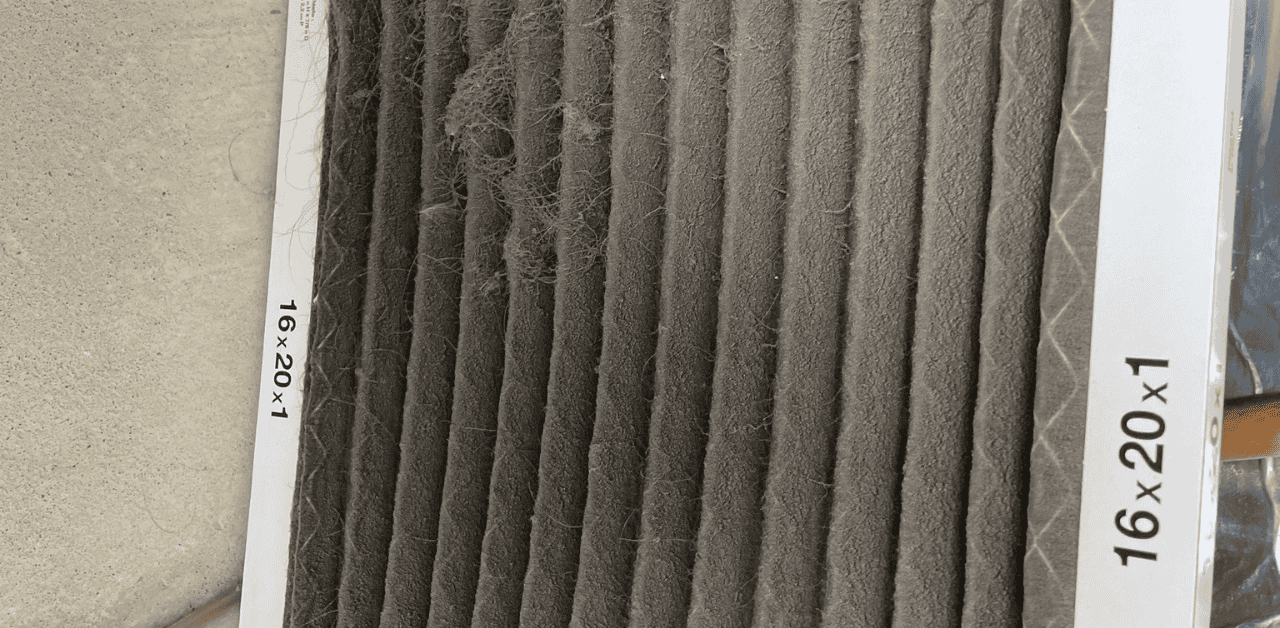
If your heating and cooling vents aren’t blowing much air, it’s probably because of a blocked air filter, problems with the air pipes, or a system that’s the wrong size for your home. Additionally, it’s essential to ensure that your thermostat is functioning correctly, as a faulty thermostat can misread temperatures and lead to inadequate airflow. Regular maintenance and inspection can help identify these issues early on. Keep in mind that these are just a few of the top reasons for warm air issues that you may encounter in your HVAC system.
Dirty filters stop air from moving freely, while holes and blockages in the pipes let treated air escape before it gets to your rooms. A heating and cooling unit that doesn’t match your home’s needs can also cause weak airflow in some areas.
Changing filters often, fixing leaky pipes, and making sure your system is the right size are good ways to fix this.
There are also more complex solutions you can look into to improve your home’s airflow and how well your heating and cooling system works.
Key Takeaways
- Blocked or unclean air filters can stop air from moving well, making less air come out of vents.
- Holes or things blocking the air pipes can keep treated air from getting to the vents.
- Uneven air controllers might not send air to the right places properly.
- Small or badly placed air openings can make it hard for air to spread out.
- Poor working parts in the heating and cooling system, like a broken air blower, can lower the amount of air moving.
Understanding Your HVAC System’s Airflow
To grasp why your HVAC vents might not be blowing air strongly, you need to know how air travels through your system. Things like how big your ducts are and how fast the fan spins can change how much air gets to your vents.
Spotting the signs of weak airflow and understanding what they mean is the first step to fixing this problem.
The Journey of Air Through Your HVAC System
Air moves through your HVAC system in a complex way, with different parts working together. Air comes in through vents, gets cleaned, and is pushed by the blower motor through air ducts. The size of these ducts is important, as bigger ducts let air flow better and with less pressure.
Your thermostat controls this process, telling the system when to change the airflow. Checking the airflow at different spots can help find problems or uneven areas.
If the air filter is blocked or the blower motor isn’t working well, the system won’t work as well, and less air will come out of the vents. Knowing how air moves through your system helps you fix issues and make your HVAC work better.
Factors Affecting Air Pressure and Volume
Several important things affect your HVAC system’s air pressure and volume, which can change how strongly air comes out of your vents.
How well your compressor works, the state of the evaporator coil, how the condenser unit runs, and if the refrigerant lines are in good shape all matter a lot. If your air filter is dirty or your air ducts are blocked, the system has to work harder, which means less airflow.
A broken blower motor or leaky ducts can also reduce the amount of air reaching your vents. Fixing these problems – from changing filters to sealing leaks – can help bring back the strong airflow you want from your HVAC system.
Signs of Weak Airflow and Their Implications
Spotting weak airflow from your vents can point to bigger problems with your HVAC system’s work and efficiency. Less airflow might mean issues like blockages, leaks, or broken parts that need quick fixing to keep your home comfy and save energy.
| Sign | Possible Reason | Fix |
|---|---|---|
| Uneven temperatures | Wrong-sized HVAC unit | Ask an expert to check unit size |
| Patchy air spread | Leaky ducts | Seal ducts with special tape or paste |
| High power bills | Poor insulation | Ask an expert to check the unit size |
| Stale smells | Dirty filters/coils | Clean HVAC parts regularly |
Using tools like an anemometer to measure airflow or a manometer for pressure can help find the main problem. This can guide needed fixes to get your HVAC system working well again and give your home the right amount of air it needs. Additionally, regularly checking for air leaks and ensuring proper insulation can significantly improve your HVAC system’s efficiency. For homeowners looking to tackle minor issues themselves, researching air conditioner repair tips can provide valuable insights into maintenance practices. By following these guidelines, you can extend the lifespan of your system and maintain optimal indoor air quality.
Common Causes of Weak Air from Vents
Is your air coming out weakly from the vents? This could happen for a few common reasons. Let’s look at what might be causing this problem, from dirty air filters to issues with the fan motor. Understanding these things can help you fix the weak airflow in your heating and cooling system. One potential cause of weak airflow is a clogged or dirty air filter, which can restrict the flow of air and hinder the system’s performance. Before diving deeper into the problem, it’s essential to follow some basic ac fan troubleshooting steps to identify if the fan motor is functioning correctly. Checking for any obstructions or ensuring the motor is clean can often resolve the issue and improve airflow efficiency. Another common cause of weak airflow could be related to the fan motor itself, which may be experiencing issues such as wear and tear or even electrical malfunctions. Familiarizing yourself with common ac fan problems can help you pinpoint the exact source of the issue and determine whether repairs or replacements are necessary. Regular maintenance checks can go a long way in preventing such problems and ensuring optimal performance from your HVAC system.
Clogged Air Filters: The Silent Airflow Killer

A blocked air filter is often the reason for poor airflow from vents. These filters gather dust, pet fur, and other bits over time, slowing down airflow and making your heating and cooling system work harder.
Think about these key points:
- Switch out air filters often – every 1-3 months based on use and filter type.
- Clean your air pipes and think about better filters like folded or washable ones.
- Remember to clean coils and check pipes, as these can change airflow too.
Fixing a blocked air filter is an easy, cheap way to greatly improve air movement in your home.
Ductwork Issues: Leaks, Blockages, and Poor Design
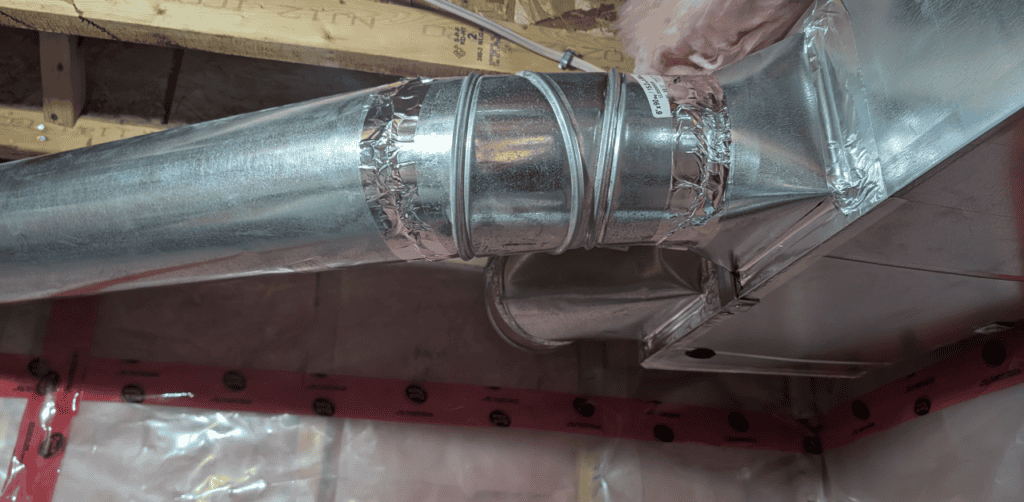
Faulty ductwork can greatly reduce airflow from your vents. Leaks, blockages, and poor design in the duct system can stop conditioned air from reaching where it should. Ductwork leaks let air escape, making the system less efficient.
Use a duct leak tester to find problems, then seal with mastic sealant or foil tape. Blockages like dirt or badly installed ducts can limit airflow. Aeroseal, duct armour, or Hardcast can fix blockages.
Poorly designed ducts may be too small or badly routed, reducing air delivery to supply vents. Ensure enough airflow to both supply and return vents for best performance.
| Issue | Symptom | Solution |
|---|---|---|
| Ductwork Leaks | Air escaping before reaching vents | Duct leak tester, mastic sealant, foil tape |
| Ductwork Blockages | Limited airflow | Aeroseal, duct armour, Hardcast |
| Poor Ductwork Design | Not enough air delivery to vents | Resize, reroute ductwork |
Blower Motor Problems: When the Heart of Your HVAC Struggles
Another common reason for weak air from your vents is a struggling blower motor – the key part that moves air in your HVAC system. If the blower motor isn’t working well, it can really lower the airflow in your home.
Three usual blower motor problems are:
- Broken motor: Check the motor’s parts with a special tool to find issues.
- Getting too hot: Use a heat-sensing camera to spot warm areas that might show a motor in trouble.
- Wrong motor type: Make sure your system has the right kind of blower motor, like PSC, ECM, variable speed, constant torque, or shaded pole.
Fixing blower motor problems is very important to get good airflow and comfort back.
The Impact of System Design on Airflow
How your HVAC setup is made affects how air moves through your vents. Getting the right size for your system and making sure your ducts are laid out well can really change how strong the air is and where it goes. Knowing about these parts of the design is important for fixing weak airflow problems and keeping your indoor space comfy.
Properly Sizing Your HVAC System for Optimal Airflow
Making sure your HVAC system is the right size is very important for good airflow in your home or office. If the heating or cooling power isn’t enough, some rooms might feel stuffy or not comfy. To avoid this problem, think about these important things when picking an HVAC unit:
- Measure your space’s area carefully and work out how much heating and cooling you need.
- Check that the system’s CFM (cubic feet per minute) matches what you need for air movement.
- Look at your ductwork, including the size of vents, shape of fan blades, and duct lining, to make air flow better in your space.
Getting the right size and design for your system will make air move better and help your HVAC use less energy (EER rating), saving you money over time.
The Role of Duct Design in Air Distribution
The way your home’s ductwork is set up greatly affects how air moves around. Badly sized or arranged ducts can cause weak air from vents, uneven warmth, and higher power bills. Holes in ducts are a common problem, letting treated air escape before reaching vents.
Fixing these leaks with special paste or foil tape can really boost airflow. Using tools like vane, hot-wire, or pitot tube airflow meters helps find trouble spots.
Tweaking dampers can also make airflow better by sending air where it’s most needed. Good air movement is crucial, so make sure your ducts are big enough to move the right amount of air for your home’s size and heating/cooling system.
Solving duct design problems can bring back strong, steady airflow from your vents.
Balancing Multi-Zone Systems for Even Airflow
Getting the right balance in multi-zone systems is key for even airflow in your home. Tweaking dampers and vents in each area can help send air where it’s most needed, stopping some spots from getting too little or uneven air.
To make temperatures more consistent, try these steps:
- Find any temperature differences between areas and figure out why they happen, like blockages, vents in the wrong spots, or uneven airflow.
- Change dampers to send air where it’s needed and stop air from layering, making sure each area gets enough treated air.
- Check that vents aren’t blocked and are placed to spread air well, helping to get rid of weak spots.
Maintenance Practices to Improve Airflow
Keeping your HVAC system working well needs careful upkeep. First, swap out air filters often, following what the maker suggests to keep air moving nicely. Additionally, regular maintenance can help prevent issues that may lead to unwanted sounds from your unit. Some of the top causes of air conditioner noise include loose parts, refrigerant leaks, and worn-out components. Addressing these problems promptly can improve efficiency and prolong the lifespan of your system.
At the same time, think about getting pros to clean and seal your ducts to fix any blocks or leaks that might slow down airflow in your home. Also, getting regular check-ups for your HVAC can spot and fix small issues before they grow into big ones, helping to keep strong airflow from your vents.
Regular Filter Replacement : Schedule and Best Practices
Changing your air filter often is key for keeping good airflow and stopping clogs that can limit air moving through your HVAC system. If you don’t do this easy but important job, you might have problems like less efficient heating and cooling, and maybe even worse air inside your home.
When thinking about filter changes, keep these three things in mind:
- Change Schedule: Most makers say to change normal air filters every 1-3 months. Fancy filters like HEPA or electrostatic ones might need changing less often, usually every 6-12 months.
- Filter Kind: Choose good filters like Filtrete, Honeywell, Nordic Pure, or Aprilaire to make sure the air is cleaned well and flows nicely.
- Right Setup: Make sure the filter fits and is put in properly to make a tight seal. This stops air from going around it and keeps your air as clean as possible.
Professional Duct Sealing Services
Besides changing air filters often, getting experts to seal your ducts can make air move better in your heating and cooling system. This service fixes problems in your ductwork that filters can’t solve on their own.
Professional duct sealing uses different types of sealants to fix leaks and make the system work better. This is important for central air conditioning and ductless mini-split systems.
An expert can also check the coolant level and oil the blower motor to make sure everything works well. Spending money on these services can greatly improve how air moves and how much energy your home’s heating and cooling system uses.
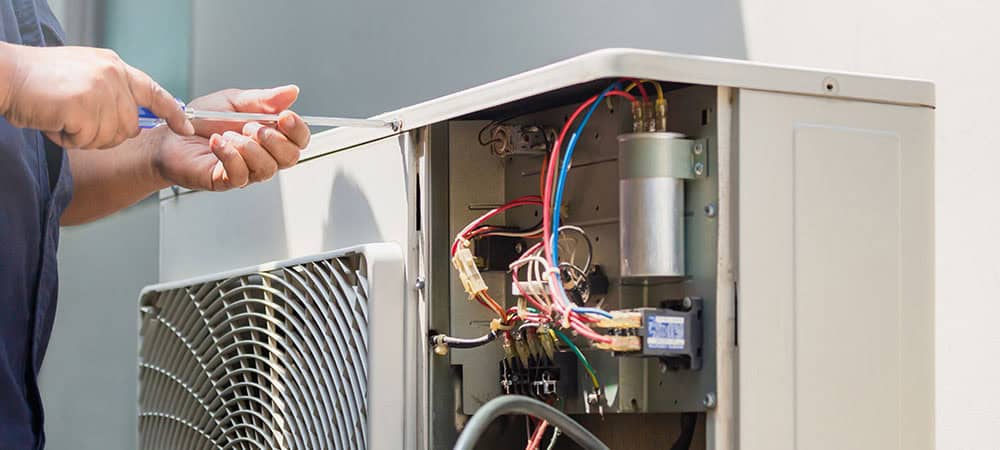
HVAC Tune-ups: What to Expect and Why They Matter
Regular HVAC check-ups can make your system work better, ensuring steady airflow and better energy use. During a check-up, your expert will look at important parts like the blower motor, check coolant levels, and evaluate your system’s efficiency rating.
This upkeep helps your heat pump or furnace work its best, which can:
- Save more energy by improving the heating efficiency and meeting Energy Star standards.
- Make your equipment last longer by fixing issues like shaking.
- Make indoor air cleaner by using special tools like air speed meters to study airflow.
Advanced Solutions for Persistent Airflow Issues
For ongoing air movement problems, consider getting better blower motors that can change speeds. This can give you more control over how air moves and might make your heating and cooling system work better overall.
Also, putting in systems that split your home into zones can let you send air to certain areas, fixing airflow issues in specific spots. Lastly, you might need to change or improve your air ducts to make sure air spreads properly throughout your home.
Upgrading to Variable Speed Blower Motors
Switching to a variable-speed blower motor can greatly boost weak airflow from your vents. This better tech offers several main perks:
No matter, if you have a Carrier, Lennox, Rheem, or Goodman system, including a PTAC unit, upgrading to variable speed tech, can make a big difference in fixing your weak airflow problems.
- Better Efficiency: Variable speed motors change their output to match exact airflow needs, using less energy and lowering power bills.
- Better Moisture Control: The variable speed feature allows for improved airflow control, leading to better moisture removal and cleaner indoor air.
- Less Noise: Variable speed motors run at lower speeds, making much less noise from the compressor and blower, creating a quieter home.
Implementing Zoning Systems for Targeted Airflow
Another way to fix ongoing airflow problems is by setting up zoning systems, which let you carefully control the air going to different parts of your home.
With a zoned system, you can send more cooled or heated air to busy rooms while cutting back in less-used areas, making things more comfortable and saving energy. Zoning systems, like the Trane Zoning System, use powered dampers and smart thermostats to control the air going to each zone on its own.
This helps keep the right temperature in every room, even with a basic geothermal system or a Rheem 51-24374-02 furnace.
Using a Kestrel 3000 wind meter or Fieldpiece STA2 in-duct anemometer, you can measure and change the airflow (CFM) to each zone, ensuring your home stays balanced and cozy.
Duct Modifications and Improvements for Better Air Distribution
Changing or upgrading your ductwork can greatly improve air movement in your home, fixing tricky airflow problems. Think about these three ways to make ducts better:
- Close gaps and add insulation to ducts to stop air leaks and keep heat in, improving your system and saving energy. Tools like the Emerson K55HXDND-8984 ultrasonic anemometer can help find trouble spots.
- Make ducts the right size and layout using air flow readings from tools like the Extech AN100 CFM/CMM anemometer or Dwyer Series 471B digital thermo-anemometer. Proper duct size helps the cooling system work best for stronger, more even airflow.
- Put in new air vents in smart places to send air where it’s needed, stopping dead spots and helping air move through the whole house.