


If you hear a hissing sound from your gas line, it’s important to act fast. First, get everyone out of the building right away to keep them safe. Don’t turn on any lights or use anything that could make a spark, as this might set the gas on fire.
Once you’re outside, call emergency services and your gas company. They’ll send experts to check and fix the problem.
Getting your gas system checked regularly can stop leaks from happening. Always use trained workers for gas line jobs, as trying to fix it yourself is risky.
Put gas detectors in your home to warn you early. Knowing how your gas system works and what a leak looks like can help you deal with possible dangers better.
Key Takeaways
- Listen for whistling or hissing noises near gas pipes, appliances, or meters to find possible leaks.
- Use a gas leak detector or put soapy water on areas you think might have leaked to check if gas is escaping.
- If you hear hissing, leave the building right away. Open windows and doors, and don’t use anything electrical.
- Call emergency services and your gas company quickly. Tell them exactly where you are and what’s happening.
- Only let licensed experts check and fix gas line problems to keep everyone safe and follow the rules.
Understanding Gas Line Systems and Common Issues
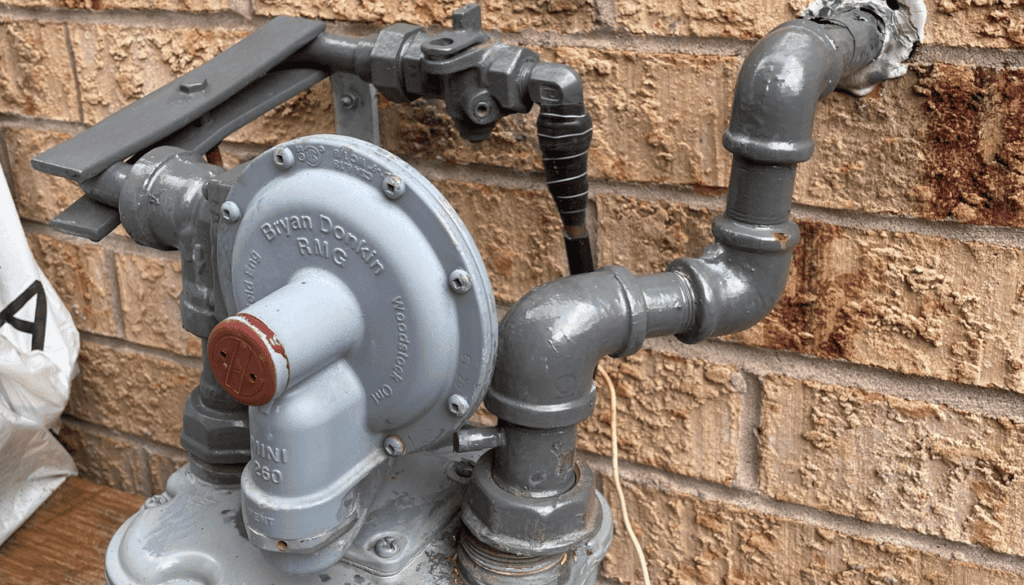
Gas line systems in homes and buildings are important for bringing natural gas or propane to appliances. These systems have big and small pipes, valves, and pressure regulators.
Common issues include rust on pipes, loose connections, and broken parts. If you suspect a gas leak, listen for hissing sounds, use a gas detector, or apply soapy water to pipes to look for bubbles. Gas leaks are dangerous and should be fixed promptly to prevent fires or health risks.
To keep your gas system safe, check it regularly for problems like rust or loose connections. If you notice any issues, fix them quickly to prevent leaks. By taking care of your gas system and appliances, you can ensure they work safely and efficiently.
Recognizing the Signs of a Gas Leak
Spotting signs of a gas leak is very important for safety at home or work. You can use different senses to find a gas leak. Your nose is key because most natural gas has a smell added to it so you can notice it easily.
Listen for a whistling or hissing sound, which is what gas makes when it leaks out. The sound might be loud or quiet depending on how big the leak is and how much pressure is in the gas line.
To make sure you can find gas leaks:
- Put gas alarms in important spots
- Check your gas system often for risks
- Teach everyone who lives or works there how to turn off the gas in an emergency
Immediate Steps When You Hear Hissing
If you hear a hissing noise that might mean there’s a gas leak, you need to act fast to stay safe.
First, get everyone out of the building right away. As you leave, don’t turn on lights, use your phone, or touch any electrical stuff.
Once you’re outside and far from the building, call emergency services for help.
Evacuating the premises
If you hear a gas line hissing, getting everyone out quickly is the most important thing. Follow your emergency plan and make sure everyone leaves fast.
If it’s safe, do these things before you go:
- Find the main gas shut-off valve and close it to stop more gas from coming out.
- Open windows and doors to let fresh air in and lower the risk of not being able to breathe.
- Don’t use anything that uses electricity, like light switches or fire extinguishers, as they might make sparks that could light the gas.
Once you’re outside, stay far away from the building. Call emergency services and your gas company right away. Don’t go back inside until gas workers or emergency helpers with special gas-finding tools say it’s okay. Remember, your safety comes first; let the experts check things out.
Avoiding potential ignition sources
When you hear a gas line hissing, your main job is to get rid of anything that could start a fire. This stops a big explosion from happening.
Turn off all electrical things right away. This includes lights, kitchen machines, and cell phones. Don’t flip any switches or unplug cords, as these can make sparks.
Put out all fires, like candles or gas stoves. Don’t use matches or lighters.
Open windows and doors to let the gas out. If you can, turn off the main gas valve.
Be careful of explosion dangers and follow safety rules. Don’t try to find the leak yourself; wait for trained emergency workers. They’ll use special tools that won’t cause sparks to check things safely.
Focus on stopping leaks and wearing safety gear when dealing with gas line problems. Remember, staying safe is the most important thing when dealing with gas that could catch fire or explode. Additionally, it is crucial to utilize proper loose gas line detection methods to identify potential hazards before they become serious issues. If you suspect a leak, evacuate the area immediately and contact professionals who can safely address the problem. Regular maintenance and inspections can also help prevent dangerous situations, ensuring you and your loved ones remain protected.
Contacting emergency services
After making sure you’re safe, your next step is to call emergency services. Dial 911 or your local emergency number from a safe spot outside the affected area.
When you call, give clear, short information:
- Where you’re exactly, including street address and nearby landmarks
- What the problem is (possible gas leak, hissing sound, smell)
- Any damage you can see to meters, valves, or pipes
Emergency responders will send trained experts to check the situation. These experts might test the pressure to find loose connections, rusty pipes, broken regulators, or damaged valves causing high-pressure problems.
Don’t try to fix it yourself; let licensed plumbers or HVAC specialists handle it. Remember, even if you can’t smell anything, there might still be a gas leak. Always put safety first and follow what the emergency services people tell you to do.
Safety Measures and Prevention
To keep gas lines safe, you need a good plan. Regular checks and leak tests are very important. You should also replace old pipes and tighten loose parts when needed. It’s smart to protect pipes from rust to make them last longer. Always follow local rules and national guidelines for gas safety.
| Safety Measure | Description |
|---|---|
| Inspections | Do regular checks |
| Leak Detection | Use special tools |
| Maintenance | Replace worn parts |
| Corrosion Control | Add protective layers |
| Documentation | Keep good records |
Create detailed checklists for inspections and keep all your safety papers in order. These steps will help you spot problems early, keeping your gas lines in good shape. If you follow these tips, you’ll lower the risk of gas leaks and other dangers in your home or building.
Professional Inspection and Repair
If you think there’s a gas leak, call your gas company right away. They’ll send someone to check it out properly.
To keep your gas system safe, it’s really important to have experts check it regularly. Make sure these experts have the right certificates to do the job.
When to call a gas company technician
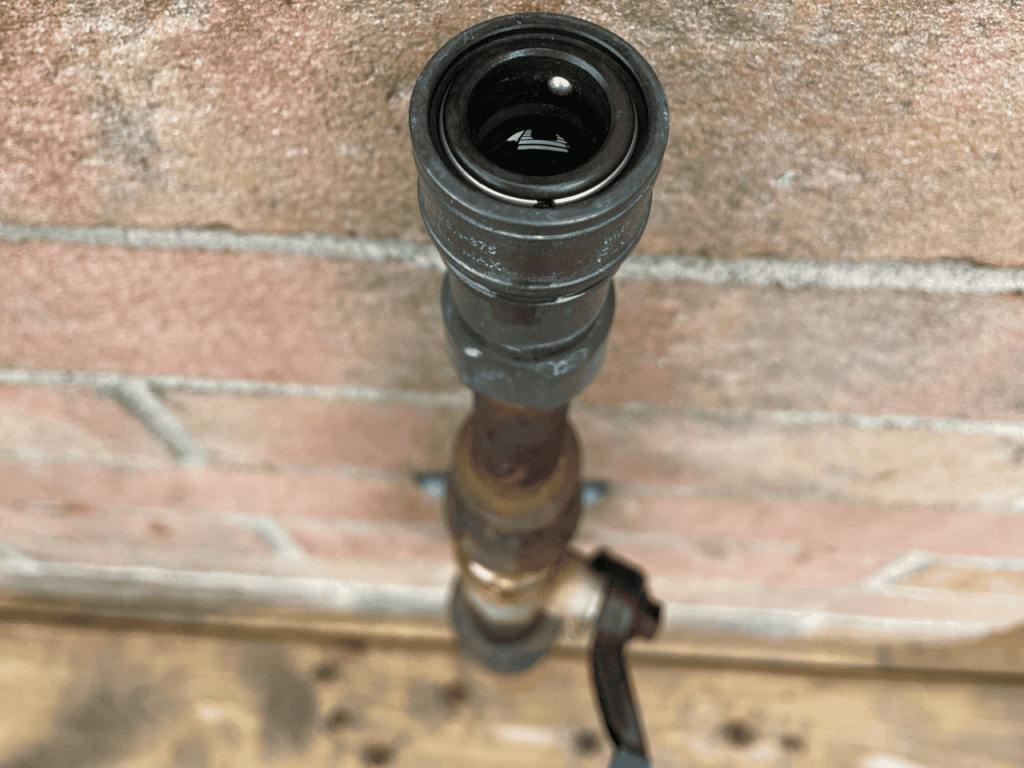
Gas company technicians should be called right away if you hear a constant hissing noise, see your gas bills going up for no reason, or smell a strong rotten egg odour that could mean there’s a gas leak.
Home inspectors can spot some problems, but gas company experts have the know-how and tools to handle big issues. They’ll check:
- How often you hear hissing, how loud it is, and what it sounds like
- If pressure regulators and connections are working properly
- Whether everything follows local rules
Don’t try to fix things yourself, as this could lead to carbon monoxide poisoning and other dangers. Gas alarms that plug into the wall can warn you early, but they’re not as good as having a professional look at things.
Gas company technicians can figure out what’s wrong, fix it, and make sure your home’s gas system is safe. By calling experts quickly, you’ll keep your property and family safe from gas leak dangers.
The role of a licensed technician
Licensed gas technicians play a big part in checking and fixing gas lines, working alongside gas company experts. They’re trained to handle many parts of gas line care, including:
| Task | Equipment Used | Rules to Follow |
|---|---|---|
| Pressure testing | Manometer | Inches of water column |
| Finding leaks | Air-powered tools | Cubic feet per hour |
| Cleaning out systems | Purging equipment | Safety rules |
| Putting in valves | Pressure relief valves | Building rules |
Licensed professionals know the rules and can make sure your gas system follows local laws. They can measure gas pressure, find leaks, and make needed fixes. They can also spot problems with old setups and help protect you from future issues.
When you have gas line worries, hiring a licensed expert can help you feel safe and get professional results, protecting your property and keeping you safe.
Importance of certified inspections
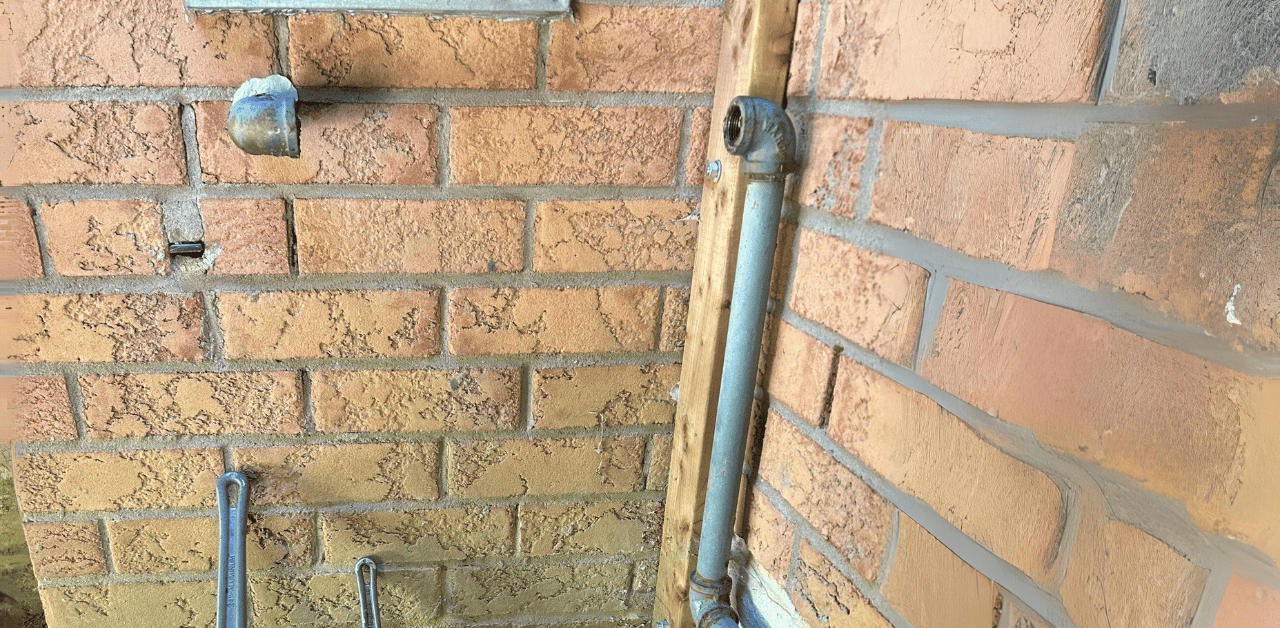
Certified inspections are really important for keeping your gas system safe and following the rules. Trained experts use special tools like multi-gas monitors and smart home gas sensors to find problems in all parts of your gas system. They know how to spot small issues that you mightn’t see.
During a certified inspection, the experts usually:
- Do thorough leak tests using tools like the UEI Test Instruments CD100A or Klein Tools ET120
- Make sure gas detectors like the Kidde KN-COEG-3 or First Alert GCO1CN are working right
- Check the whole system, including connections and valves
These inspections help you feel safe and can stop dangerous situations from happening. They make sure your gas system meets today’s safety rules. Don’t just rely on home devices like the Techamor Y201; you need professional checks to keep your home safe.
Long-term Gas Line Maintenance
Taking care of gas lines over a long time is important. You need a big plan to keep them safe and working well. Regular inspections and maintenance are crucial to prevent leaks and ensure efficiency. Additionally, understanding the gas lines installation process can help homeowners recognize potential issues earlier and take proactive measures. Investing in professional services can extend the life of your gas lines and enhance overall safety. Moreover, being familiar with the gas line installation steps in Ontario can further empower homeowners to make informed decisions regarding their gas systems. This knowledge not only aids in recognizing the significance of compliance with local codes and regulations but also helps in assessing the qualifications of professionals engaged for installation and maintenance. By prioritizing safety and diligence in managing gas lines, homeowners can significantly reduce the risk of potential hazards.
Check different types of pipes regularly, like black iron, corrugated stainless steel, copper, and others. Protect metal pipes from rust. Look for pressure changes and do leak tests often. Measure gas levels in the air.
Get experts to check how well your system works. If your pipes are old, think about getting newer, safer ones.
Write down everything you do to fix and check the pipes. By taking good care of your gas lines, you can stop leaks, make sure they work their best and help them last longer.
Environmental and Health Considerations of Gas Leaks
Gas leaks are really bad for the environment and our health, so we need to fix them right away. When methane escapes from broken plastic gas pipes, it adds to climate change and makes your carbon footprint bigger.
It’s important to know what can happen:
- Worse air quality: Gas leaks let out harmful stuff that makes the air inside and outside not as good to breathe.
- Breathing problems: If you’re around gas leaks for a long time, it can make it hard to breathe and cause other health issues.
- Risk of explosions: Natural gas can catch fire easily, and in small spaces, it doesn’t take much to make it dangerous.
You can often smell gas leaks because of a special smell that’s added to make them safer. But sometimes, you mightn’t notice leaks, especially outside. It’s really important to check for leaks often and fix them quickly. When you take care of gas leaks fast, you’re keeping yourself healthy and helping the environment too. If you ever detect a gas leak, it’s crucial to respond immediately. Know what to do if you smell gas: evacuate the area, avoid using any electrical devices, and contact the gas company or emergency services right away. Taking these steps can prevent accidents and ensure everyone’s safety.


