


BBQ gas line installation connects your outdoor grill to your home’s natural gas or propane system. This gives you a steady fuel supply.
In Ontario, installing any gas line must follow the CSA B149.1 code and be inspected by the Technical Standards and Safety Authority (TSSA). That means you’ll need permits, safe materials, and a licensed technician.
There is always more to learn! It’s essential to familiarize yourself with safety regulations and local codes that govern the gas line installation process. Ensuring you have the right tools and materials on hand will also contribute to a smoother procedure. With practice and diligence, you’ll become more confident in executing each step effectively.
Key Takeaways
- BBQ gas line installation connects your grill to natural gas or propane for steady fuel and no more tank swaps.
- You must follow the CSA B149.1 gas code and get a licensed technician to do the work in Ontario.
- Choose the right pipe type like black iron or CSST that’s safe and approved.
- You’ll need key parts: a regulator, tight fittings, a shut-off valve, and leak testing tools.
- Use the right tools and safety gear like gloves, seal tape, and gas detectors.
- Always test for leaks before using the BBQ.
- Don’t skip permits or inspections, TSSA rules must be followed.
- Check your gas line each season for wear, damage, or leaks.
- If you’re unsure, call a licensed gas pro.
Planning Your BBQ Gas Line Installation

Before you install a BBQ gas line, you need a good plan. Here’s what to think about:
- Where will the grill go?
Pick a safe, open spot that follows clearance rules. - How far is it from the gas meter?
Longer runs may need thicker pipes or special support. - What fuel are you using?
Natural gas and propane require different fittings and regulators. - Are there buried utilities?
Call before you dig. It’s the law in Ontario.
Best Pipe Types for BBQ Gas Lines
Choosing the right pipe keeps your gas line safe and code-compliant.
| Pipe Type | Can You Use it for BBQ? | Where It’s Used | Why Use It |
|---|---|---|---|
| Black Iron | ✅ Yes | Outdoor BBQ setups | Strong, durable, and CSA-approved |
| CSST | ✅ Yes (with bonding) *CSST must be bonded and installed by a licensed technician. | Outdoor kitchens with bends | Flexible, good for tricky routes |
| Copper | ⚠️ Sometimes (check code) | Protected indoor areas | Rust-resistant, but may not meet code |
| Galvanized Steel | ⚠️ Rarely | Limited outdoor use | Tough, but not always CSA-approved |
| PVC | ❌ No | Never | Not safe or legal for gas in Ontario |
⚠️ = Only if allowed by local code
❌ = Never use for gas lines
Always check CSA B149.1 and ask a license gas fitter before choosing your pipe.
Essential Components for BBQ Gas Line Installation
What Is a Regulator?
BBQ gas line installation requires a regulator to lower high-pressure fuel supply to safe, appliance-compatible levels. Choosing the right model depends on BTU requirements, pressure ratings, and connector compatibility with the grill. After installation, it’s essential to regularly check the regulator and connections for any signs of wear or leaks to ensure safe operation. Additionally, understanding how to adjust the regulator can be helpful in troubleshooting low gas pressure issues that may arise during use. Proper maintenance not only enhances performance but also prolongs the life of your BBQ equipment.
Pick a regulator that:
- Matches your grill’s BTU rating
- Fits your gas type (natural gas or propane)
- Has the right size and pressure rating
Types of Fittings and What They Do
BBQ gas line installation fitting is what connects the gas pipes together and help move the gas the right way.
Common fitting types include:
| Fitting Type | What it Does |
|---|---|
| Elbow Fittings | Turns the gas line 90° |
| Tee Fittings | Splits the line into two |
| Coupling | Joins two straight pieces of pipe |
| Adapter | Connects different pipe sizes |
| Union | Lets you disconnect easily |
Shut-Off Valve
Install a manual shut-off valve close to the BBQ. This makes it easy to turn off gas in an emergency.
Tools and Safety Gear for BBQ Gas Line Installation
BBQ gas line installation requires specific tools for measuring, cutting, fitting, and securing gas line components.
Essential tools include:
- Pipe cutter
- Tube bender
- Flaring tool
- Wrenches (adjustable and pipe)
- Drill and screwdriver
- Thread seal tape
- Safety gear (gloves, glasses)
Using proper tools helps maintain connection integrity and reduces risk during setup and maintenance.
How to Install a BBQ Gas Line (Step-by-Step)
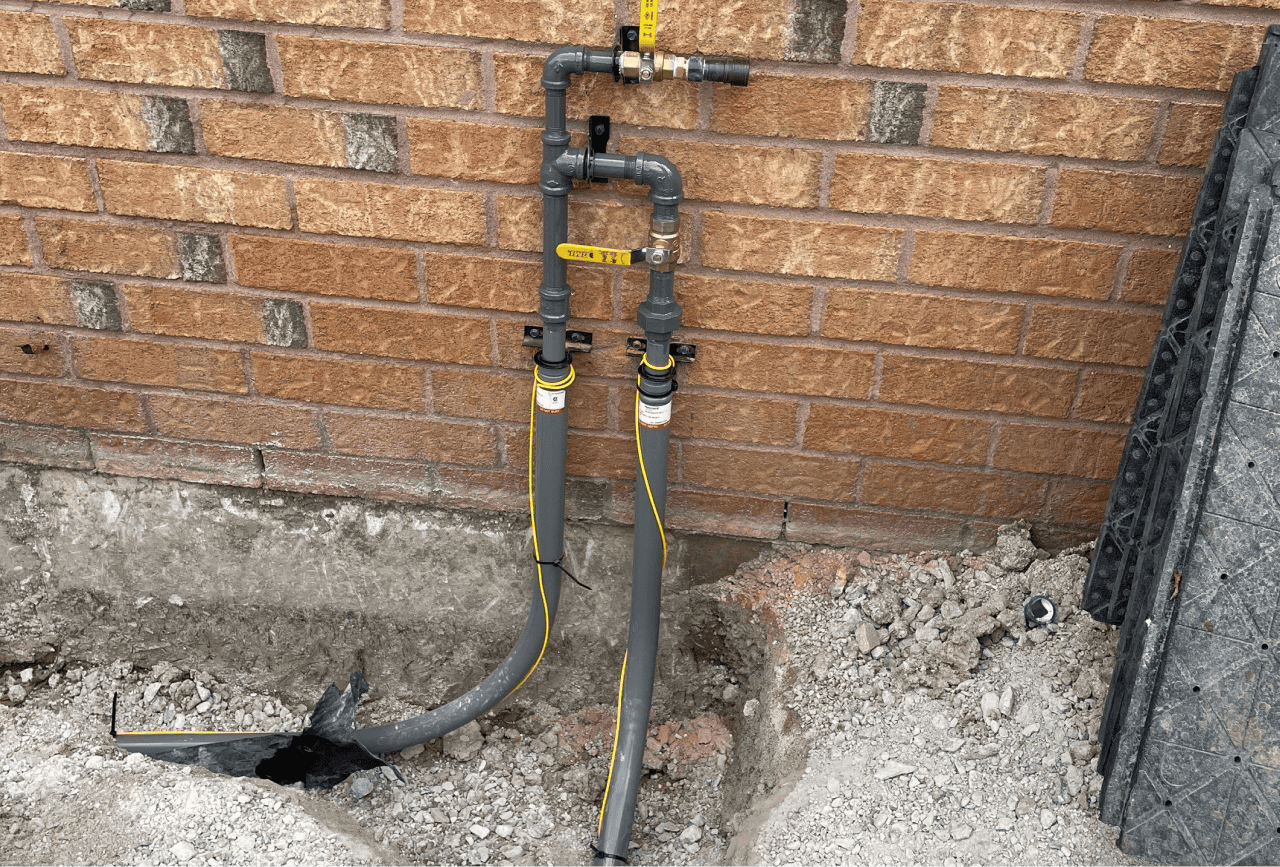
BBQ gas line installation involves a series of precise tasks to ensure safety and reliability.
Measuring and Cutting the BBQ Gas Line
Start by measuring the distance from your fuel source to the BBQ grill. Consider the total run length, direction changes, and any bends.
Choose pipe diameter based on the grill’s fuel demand and ensure material is outdoor-rated—commonly stainless steel or reinforced rubber.
Cut cleanly to avoid jagged edges or pressure loss.
Connecting the Gas Line to the BBQ Grill
Begin at the shut-off valve and work toward the grill. Use flexible tubing to accommodate movement and positioning.
Ensure each connection is tightened with the proper torque and meets manufacturer specifications. Avoid cross-threading or overstressing the fittings.
Follow installation instructions closely and verify alignment and support of the line.
Securing the Fittings and Connections
Tighten fittings using a crisscross pattern. Match fitting types and thread standards for each section of the line. Use thread seal tape where required.
Always wear gloves when working near sharp or pressurized components, and inspect connections visually after securing.
Testing the Gas Line for Leaks
After all connections are made, test the system for leaks using a soap solution or certified leak detector. If leaks are detected, check for loose gas line connections, ensuring the safety and efficiency of the system over time. Always prioritize safety and follow manufacturer guidelines when performing these checks.
Apply the solution at every joint. If bubbles form, retighten or replace the affected connection.
Make sure the test is done in a well-ventilated area, and never ignite the grill until the system has passed a full leak check.
Safety Measures to Follow
BBQ gas line installation must follow strict safety practices to protect people, property, and appliances.
BBQ Gas Line Installation: Common Mistakes to Avoid
Improper materials, rushed connections, or failure to test for leaks are leading causes of gas-related hazards. In the event of a gas leak, it is crucial to recognize the signs and take immediate action. If you detect a gas smell, remember what to do during a gas smell: evacuate the area, avoid using any electrical devices, and contact your gas company or emergency services. Proper training and awareness can help prevent accidents and ensure the safety of everyone involved.
Avoiding these mistakes helps prevent fire, explosion, or gas poisoning.
Importance of Following Manufacturer Instructions
Always follow installation manuals for your grill and regulator. Doing so helps ensure:
- Proper gas pressure and compatibility
- Safe ignition and flame control
- Valid product warranties
- Legal compliance with TSSA regulations
Tips for Ensuring a Safe and Compliant Installation
- Install manual shut-off valves within reach of the appliance
- Keep the gas line visible and accessible for inspection
- Maintain required clearances from other utilities and structures
- Only use CSA-approved components
Regulatory Requirements and Compliance in Ontario
BBQ gas line installation in Ontario falls under the CSA B149.1 Natural Gas and Propane Installation Code. The TSSA enforces this code across residential and commercial properties.
Permits and Inspections in Ontario
Before installation, homeowners must obtain the correct permits and ensure that licensed technicians perform the work.
Step-by-Step Guide to Obtaining Permits
- Submit a permit application to your local municipality
- Hire a certified gas technician licensed by the TSSA
- Install the system according to CSA B149.1
- Schedule an official inspection after work is complete
What to Expect During Inspections
Inspectors will evaluate:
- Pipe materials and joint types
- Gas line support and anchoring
- Leak prevention methods
- Proper use of fittings and regulators
Passing inspection is required before activating the system.
Ensuring Compliance with Local Codes and Regulations
To ensure your BBQ gas line installation is compliant:
- Follow CSA B149.1 standards throughout the design and install
- Verify the technician’s license and qualifications
- Document all inspection approvals and permits
- Maintain clearances and isolation valves as required
Maintenance Tips for Your BBQ Gas Line
Routine maintenance keeps your BBQ gas line installation safe and functional over time.
Regular Inspection and Maintenance Practices
Check all visible portions of the gas line periodically for damage, rust, or signs of leaks.
Test connections and replace worn components before starting the grill at the beginning of each season.
How to Perform Routine Maintenance
- Inspect for discoloration, corrosion, or cracks
- Clean connections and fittings
- Test gas pressure and flame consistency
- Replace aging hoses, seals, or regulators
Signs that Indicate the Need for Repairs or Replacements
- Weak or flickering flames
- Unusual smells near fittings
- Whistling sounds or visible leaks
- Gas flow interruptions
Address issues immediately to avoid hazards and maintain system reliability.


